By Frank G. & Edwin H.
Bolivia real estate: rent vs buy in 2026

You just landed in Santa Cruz. Your bags are in a furnished apartment you booked from Airbnb. The wifi works, the AC is on, and you have 90 days to figure out if this country is for you. Here's how to think about housing in Bolivia - from your first week to your first property.

Why furnished rentals in Bolivia are the smartest first move
Nobody should buy property in Bolivia on their first trip. That's not a Bolivia-specific rule - it's a common sense rule that most expats ignore and later regret.
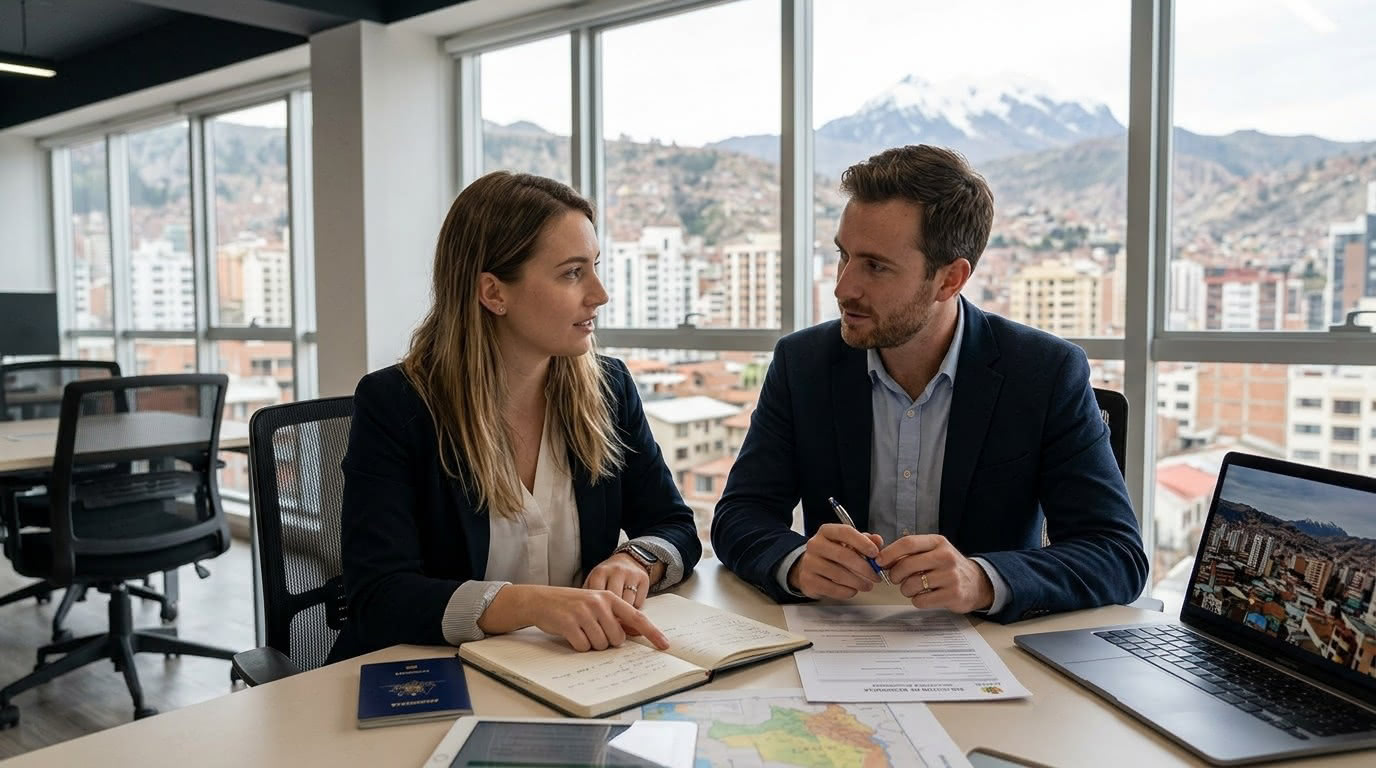
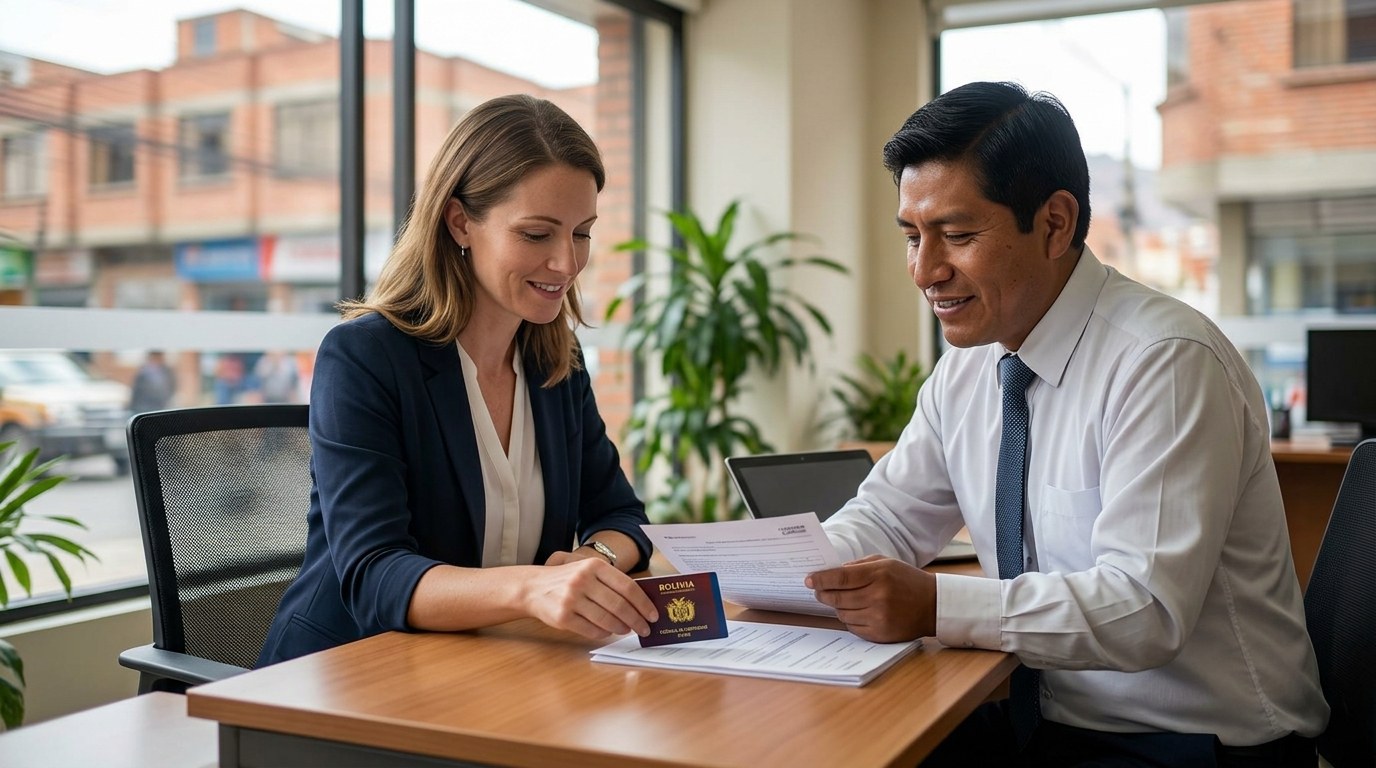
Bolivia makes it easy to start slow. You don't need to own property for residency. For filings in La Paz, you often don't need a formal long-term lease: a furnished Airbnb or short-term rental can work as your address for the residency process if the host provides their name, ID number, phone number, and a photo of the front door. Santa Cruz is slightly different: immigration there asks for a written agreement identifying the property owner, a recent electricity bill, and a copy of the owner's ID. Airbnb still works in Santa Cruz with that documentation, and a full formal lease or Folio Real is no longer required for the typical filing, but the cédula step at SEGIP is slower in Santa Cruz, which is why many people still process in La Paz first even when they plan to live in Santa Cruz.
This means your first month in Bolivia should be about one thing: living there. Walk the neighborhoods. Eat at the local markets. Figure out where you'd actually buy your groceries, get your hair cut, take your kids to school. The furnished rental is your base camp - not your final destination.
Most expats spend one to three months in a furnished rental before they know enough to make a real housing decision. Some discover they love a city they didn't expect. Others realize the neighborhood everyone recommended on Facebook groups is too loud, too far from the center, or just not their speed.
Give yourself that time. Bolivia is cheap enough that a few months of rent won't break the bank - and it'll save you from buying the wrong place in the wrong city. For a broader look at the pros and cons of moving to Bolivia, start there.
Best cities to live in Bolivia: Santa Cruz, La Paz, and Cochabamba compared
Bolivia's expat population clusters around three cities, and each one attracts a different kind of person.
Living in Santa Cruz de la Sierra - Bolivia's most popular expat city
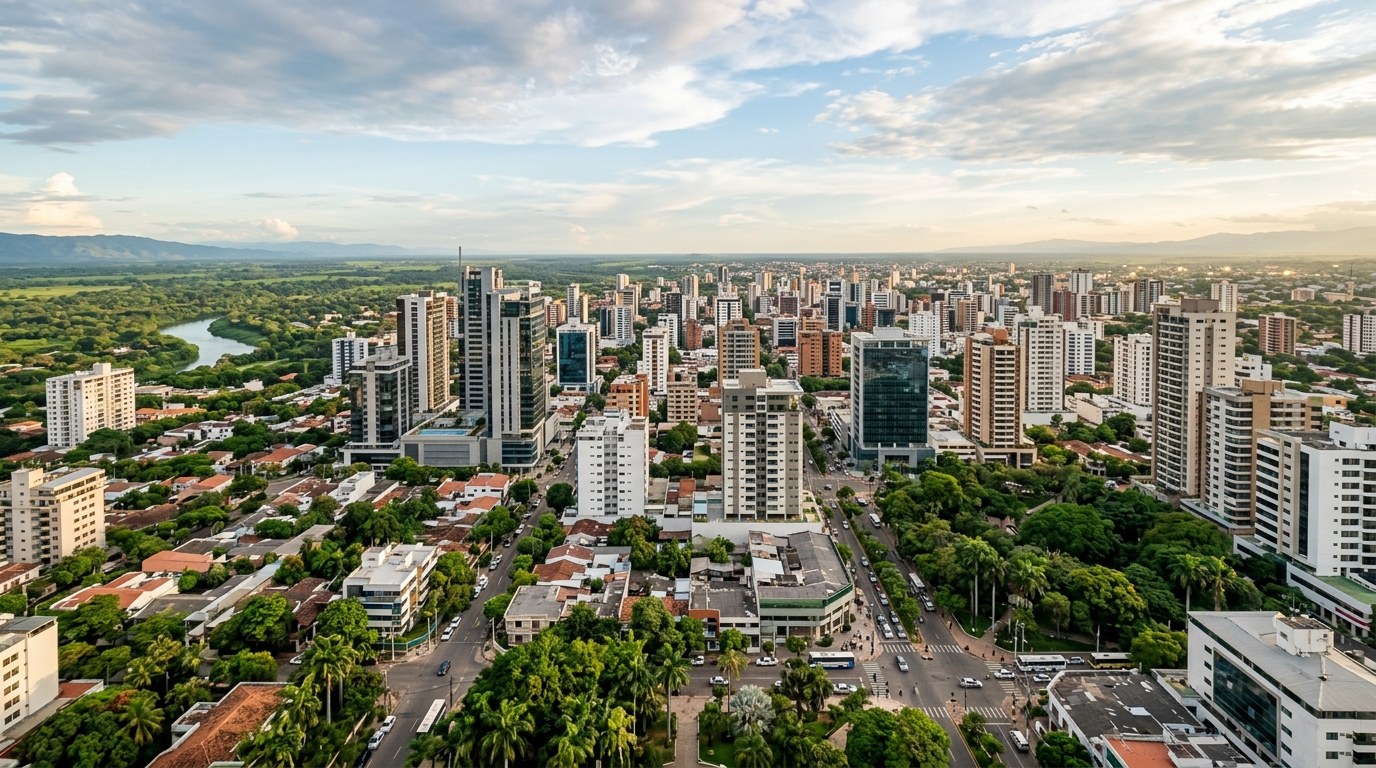
Santa Cruz is Bolivia's economic engine. It's flat, tropical, modern, and feels more like a Latin American business city than the Bolivia you see in documentaries. Shopping malls, international restaurants, coworking spaces, private hospitals - it's all here.
The expat neighborhoods are Equipetrol (central, walkable, a mix of residential and commercial) and Urubo (quieter, gated communities, more space, more suburban). A furnished apartment in Equipetrol runs $400-700/month. A house in Urubo with a garden and pool can be $800-1,500/month.
Santa Cruz sits at 400 meters altitude. No acclimatization needed. If you're coming from sea level, you won't feel a thing.
Who it's for: Business-minded expats, families wanting international schools, crypto holders who want a low-profile base, anyone who values comfort and modern infrastructure.
Who it's not for: People looking for mountain culture, colonial architecture, or a small-town feel. Santa Cruz is a city of 2+ million people and it feels like it.
Living in La Paz - fastest Bolivia residency processing and Bolivia's cultural heart
La Paz is dramatic. Built into a canyon at 3,640 meters, it looks like no other city on earth. The administrative capital of Bolivia, it's where the institutions are - and where your residency application often moves fastest. The visa is issued the same day in both cities when queues allow; the practical difference is SEGIP, cards print in La Paz, so CIE pickup is often faster there than in Santa Cruz. See costs and timeline for detail.
Most expats don't live in La Paz full-time. They fly in, process their residency, get their CIE, and fly back to Santa Cruz or wherever they're based. But some fall in love with it. The Zona Sur neighborhoods (Calacoto, San Miguel, Achumani) sit lower in the valley at around 3,200 meters and offer a more comfortable altitude with upscale restaurants, cafes, and residential streets.
A furnished apartment in Zona Sur runs $350-600/month. The city center is cheaper but grittier.
Who it's for: People who love mountains, culture, and character. Expats who want to be near government institutions. Anyone who's comfortable at altitude.
Who it's not for: People with heart conditions, respiratory issues, or anyone who's never been above 2,000 meters and doesn't want to find out the hard way.
Living in Cochabamba - Bolivia's affordable retirement and lifestyle destination
Cochabamba sits at 2,500 meters - lower than La Paz, higher than Santa Cruz. The climate is famously mild year-round, which is why Bolivians call it the "City of Eternal Spring." It's also known for having the best food in Bolivia.
The expat community is smaller here, more relaxed, and often older. Retirees, couples without kids, and people who just want a quiet life with good weather and cheap living. The neighborhood Cala Cala is where most foreigners end up - tree-lined streets, cafes, close to everything.
Furnished rentals in Cochabamba are the cheapest of the three: $250-450/month for a nice apartment.
Who it's for: Retirees, couples, people who want peace and quiet, anyone who needs to acclimatize before going up to La Paz. Also a great option for families moving to Bolivia who want a gentler landing.
Who it's not for: People who want nightlife, a large international community, or fast-paced business environments.
Small towns and rural Bolivia: Samaipata, the Yungas, and cheap farmland
The cities get all the attention, but some of the most compelling places to live in Bolivia are the smaller towns - especially if you're not tied to an office.
Samaipata - Bolivia's bohemian mountain town near Santa Cruz
About two hours from Santa Cruz, up in the foothills at 1,650 meters. Samaipata is a bohemian mountain town with a growing expat community - artists, retirees, digital nomads escaping the city heat. There's a UNESCO World Heritage archaeological site nearby and Amboro National Park on the doorstep. Think of it as Bolivia's answer to Vilcabamba or San Cristobal de las Casas. Cool climate, cheap living, gorgeous surroundings.
Coroico and the Yungas - tropical Bolivia without the big city
If you want tropical without the urban sprawl of Santa Cruz, the Yungas region northeast of La Paz drops from the highlands into lush subtropical valleys. Towns like Coroico and Chulumani offer coffee plantations, warm weather, and a completely different rhythm of life. Not for everyone - infrastructure is basic and you'll need decent Spanish - but for the right person, it's paradise at a fraction of the cost.
Buying farmland in Bolivia - European colonies and cheap agricultural land
Here's something most people don't know about Bolivia: the Santa Cruz department has significant communities of European-descended farmers. German Mennonite colonies, Dutch agricultural settlements, and Japanese farming communities have been here for generations. The fertile lowlands attracted settlers who built prosperous farming operations on land that was - and still is - remarkably cheap by global standards.
If you're interested in agricultural land, Bolivia offers some of the most affordable fertile acreage in South America. Combined with Bolivia's territorial tax system and non-participation in CRS/CARF, this makes it a compelling option for self-sufficient living. This isn't hobby farming - these are productive operations growing soy, sunflowers, cattle, and more. The European colonies are proof that it works long-term.

How to find an apartment in Bolivia: the expat housing timeline
Most successful expats in Bolivia follow a version of this path:
Months 1-3: Furnished rental in your arrival city. Typically Santa Cruz or La Paz, depending on your priorities. Use this time to process residency, explore neighborhoods, and figure out daily life. Budget $400-700/month all-in for a comfortable furnished apartment.
Months 3-6: Move to an unfurnished rental if you're staying. Once you know your city, sign a longer-term lease and bring in your own furniture (or buy locally - it's cheap). Unfurnished rentals are significantly cheaper: $200-400/month for a nice apartment in any of the three cities. This is also when you start to understand which neighborhoods you actually want to live in versus which ones looked good on paper.
Month 6+: Consider buying - if it makes sense. By now you know the city, the neighborhoods, the market prices, and whether Bolivia is your long-term base. You have your cedula, you can open bank accounts, and you can transact properly.
Buying makes sense if you're committed to staying, you want a family home, or you see a clear investment case. It doesn't make sense if you're still testing the waters, you travel frequently, or you haven't hit your stride with the country yet.
The key insight: Bolivia doesn't reward rushing. The residency process doesn't require property ownership, the cost of living is low enough that renting is painless, and the real estate market doesn't move fast enough to create urgency. Take your time. The deals will still be there in six months.
Renting vs buying property in Bolivia: what expats need to know
Renting wins when:
- You're in your first year and still figuring out Bolivia
- You split time between countries (remember: temporary residency requires 185+ days in Bolivia per year)
- You want flexibility to move between cities
- You don't want the hassle of property maintenance in a country where you're still learning how things work
Buying wins when:
- You've lived in Bolivia for 6+ months and know your city and neighborhood
- You're relocating your family permanently
- You want to build equity in a market where property is genuinely cheap by global standards, as part of a broader diversification strategy
- You're pairing property with a business operation (agricultural land, rental property, commercial space)
Price reality check: A nice house in Equipetrol (Santa Cruz's prime expat neighborhood) runs $200,000-$500,000. In Urubo, $300,000-$3,000,000 for larger estates. In Cochabamba's Cala Cala, $150,000-$300,000 for a comfortable family home. In Samaipata, you can find land and a house for under $100,000. Agricultural land in the Santa Cruz lowlands can be surprisingly affordable - but do your due diligence on titles and water rights.
Bolivia housing tips: what expats wish they knew before moving
Altitude is not a minor detail. If you've never spent time above 3,000 meters, don't sign a lease in La Paz before spending at least a week there. Some people adjust fine. Others are miserable. Cochabamba at 2,500 meters is a good test run.
The address requirement depends on where you file. In La Paz, it is often easier than it sounds. A hosted stay can work with door photo and host details. In Santa Cruz, plan for a written agreement identifying the property owner, a recent electricity bill, and a copy of the owner's ID, Airbnb still works. Many expats still file in La Paz because the cédula step at SEGIP is faster there, then relocate after the cédula.
Furnished rentals are everywhere. Bolivia has a strong culture of furnished apartment rentals, especially in Santa Cruz. You won't struggle to find options on Airbnb, local Facebook groups, or through local real estate agents.
Property titles need verification. Bolivia's land registry system isn't as clean as what you're used to in Europe or North America. Always use a lawyer to verify property titles before buying. This is not optional.
You can update your address later. If you move cities after getting your residency, you can update your address in the immigration system. You're not locked to your first rental.
Bolivia doesn't punish you for taking your time. The country is affordable enough that renting for a year while you explore costs less than a bad property decision anywhere else in the world. Start with a furnished rental, get your residency sorted, explore the cities and the countryside, and let the right housing decision come to you.
The expats who are happiest in Bolivia are the ones who treated their first year as exploration, not commitment. Be one of them.
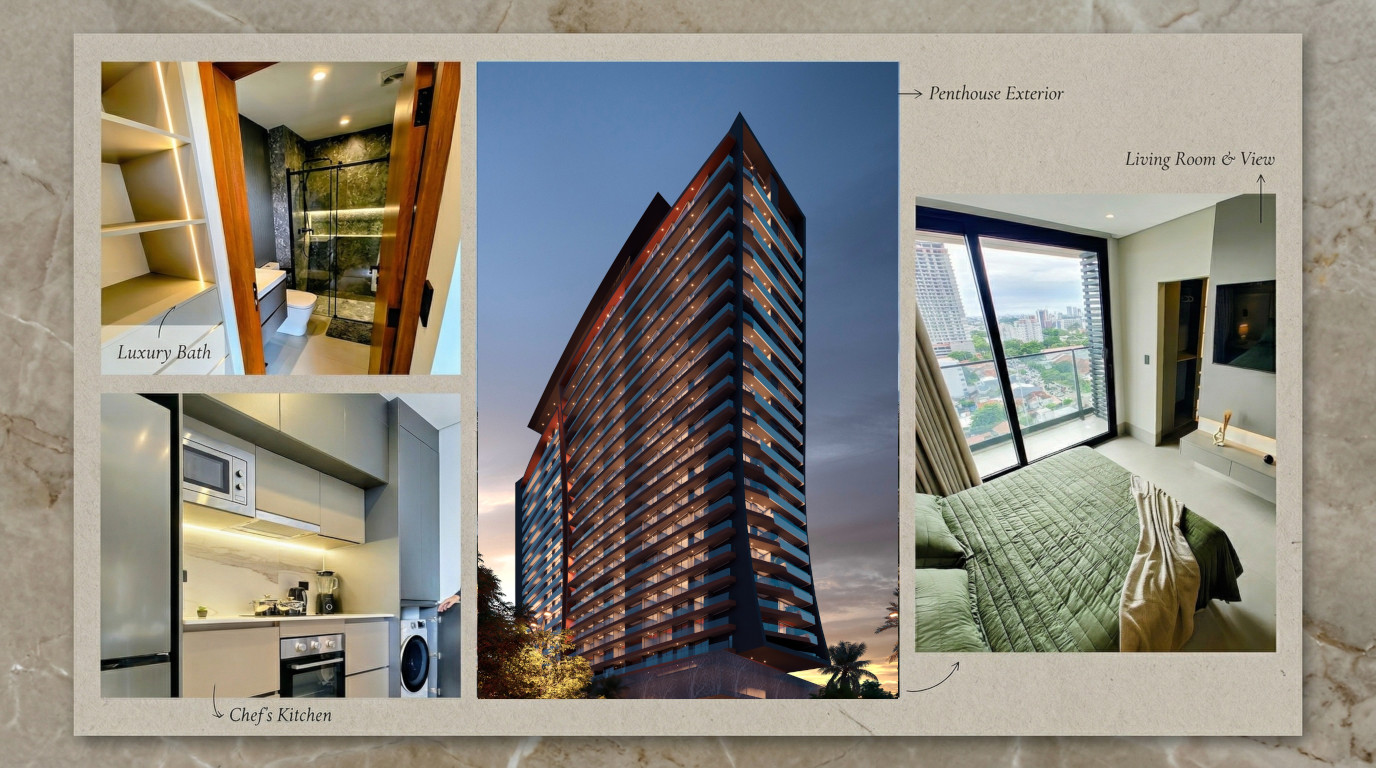
Want to map your next step? Read Santa Cruz Condo Tour: $500/Month Luxury Living or Moving to Bolivia: 9 Pros, Cons & Surprises, then get in touch when you're ready. You can also see pricing and packages.
Frequently Asked Questions
Do I need to buy property to get residency in Bolivia?
No. The standard 1-year temporary residency route does not require a property purchase. You need a passport, proof of financial solvency, a sworn statement, local medical and Interpol records, and a local address.
Should I rent or buy in my first year in Bolivia?
Most expats benefit from renting in year one. For filings in La Paz, a local address including an Airbnb often works for the initial residency process and gives you time to compare cities. Santa Cruz now needs only a written agreement identifying the property owner, a recent electricity bill, and a copy of the owner's ID, Airbnb still works there with that documentation. The bigger reason many people still process in La Paz first is that the cédula step at SEGIP is faster.
Which city works best for expats: Santa Cruz, La Paz, or Cochabamba?
Each city fits a different need. Santa Cruz suits people who want low altitude and a business-oriented base, La Paz offers the fastest residency processing, and Cochabamba works well as an acclimatization stop or a middle-ground living option.
Can I use an Airbnb address for my residency application?
In La Paz, often yes if the host provides a photo of the front door, plus their full name, DNI number, and phone number. Santa Cruz also accepts Airbnb stays as long as the host can provide a written agreement identifying the property owner, a recent electricity bill, and a copy of the owner's ID, a full formal lease or Folio Real is no longer required for the typical filing.
Does owning a home in Bolivia let me spend most of the year outside the country?
No. During temporary residency, you get 90 days outside Bolivia per calendar year by default. You can apply for an extension of up to another 90 days (180 total per calendar year) before the first 90 expire, but approval is not automatic and even with an extension you still need majority physical presence. If you want to plan around property ownership and residency rules together, get in touch through the PlanBolivia.com website.