By Frank G. & Edwin H.
Tupiza travel: costs, safety & salt flats routes

Tupiza is often treated as a quick stop between the Argentina border and Uyuni, but it deserves more time than that.
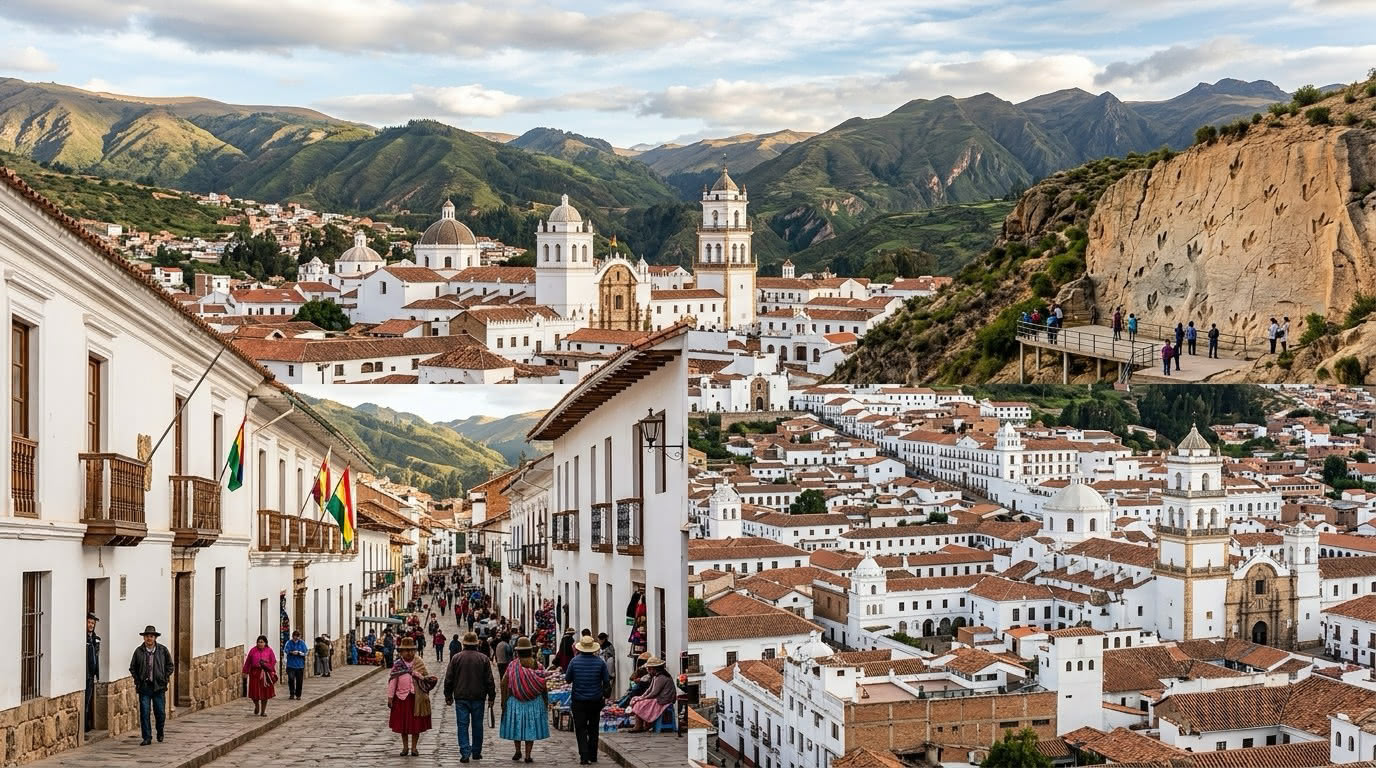
In southern Bolivia, Tupiza is known for its red-rock canyons, dry desert scenery, and rugged landscapes that feel surprisingly Wild West. It is also a useful base for short hikes, horse riding, and for starting a multi-day route toward the Uyuni Salt Flats. For many travelers, it is one of the first Bolivian towns they experience after crossing from Argentina, and that makes it a good place to slow down, adjust to the altitude, and get a feel for everyday life in a smaller Bolivian town.
This guide focuses on practical information: what to do, how to get around, what things cost, where to stay, and what to watch out for.

Why visit Tupiza
Tupiza sits at around 2,950 meters above sea level, so while it is not as high as La Paz or Potosi, you may still feel the altitude if you have just arrived from lower elevations. The town itself is manageable, relaxed, and easy to explore on foot. Around it, you will find striking canyons, valleys, cacti, dusty trails, and rock formations with names like Puerta del Diablo and Cañon del Inca.
It is not Bolivia’s biggest tourist destination, and that is part of the appeal. You can browse the market, walk to viewpoints, organize local horseback rides, and decide whether to continue overland toward Uyuni. If you are entering Bolivia as a tourist, places like Tupiza also give you a useful first look at daily costs and smaller-town life before making bigger travel or relocation decisions.
Best things to do in Tupiza
Walk up Cerro de la Cruz
The most popular viewpoint over town is Cerro de la Cruz, around a 30-minute walk from central Tupiza before the uphill section. It is best visited early in the morning or in late afternoon when the light is softer and the heat is lower. Sunset is especially good here, with the surrounding mountains changing color as the light drops.
The route is straightforward once you find the start. Ask your accommodation or a local for cerro de la cruz. You pass a small stadium, cross a bridge, head left, and continue toward the hill with the cross on top. The marked ascent begins near a small church and a brown sign. On the way up, small white crosses painted on the rock help mark the path.
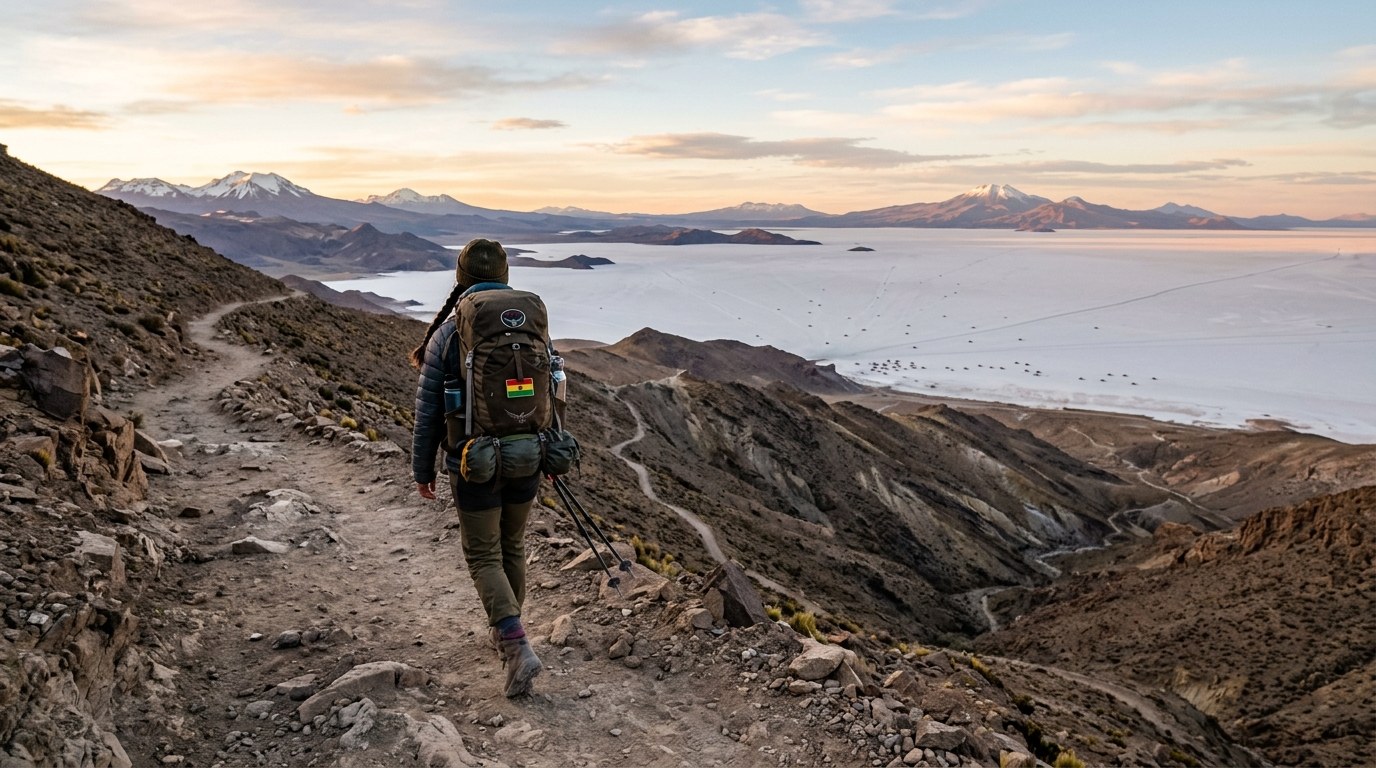
The climb is short but steep. Bring plenty of water, wear shoes with grip, and use sunscreen. There is very little shade. Because of the altitude and the exposed trail, this can feel harder than it looks.
Explore the Cordillera de Chicas
The red-rock landscapes around Tupiza are collectively known as the Cordillera de Chicas. This is the area most visitors come for, and it is easy to see why. The scenery is dry, dramatic, and full of oddly shaped formations, narrow valleys, and canyon walls.
If you only have one half day, a practical route is to explore Valle de los Machos, Puerta del Diablo, and Cañon del Inca. These can be reached independently on foot, and many travelers find this the best value option.
To get there, head toward Puerta del Diablo on your map and follow the old rail tracks out of town for about 10 to 15 minutes. Near a large building used as a fitness community center, take the right-hand turn down a slight incline. It is not always clearly signposted, so ask if unsure. Once in the valley area, paths are more obvious and some formations are signposted.
You can wander for around 90 minutes or longer depending on how far you want to go. It is an out-and-back route, so it is easy to shorten if needed. Start early, carry more water than you think you need, and do not underestimate the sun or heat.
Visit the central market
Tupiza’s market is one of the easiest places to get a feel for local life. It is busy without being overwhelming, especially compared with larger cities. Morning is the best time to go, when vendors are setting up and locals are shopping for produce and everyday essentials.
You will find fresh fruit and vegetables, meat, household goods, and nearby small shops for snacks and basics. There is also a street market twice a week with clothing, electronics, and low-cost goods. If you are self-catering, this is the best place to stock up.
As in many markets, expect some variation in prices, especially if you are clearly a visitor. It is worth asking around or comparing a couple of stalls before buying.
Horse riding in the red-rock valleys
Horseback tours are one of Tupiza’s best-known activities. Shorter rides of around three hours commonly include Valle de los Machos, Puerta del Diablo, and Cañon del Inca. Based on the source pricing, a three-hour horseback tour costs around US$22. Longer options can include Canon del Duende for about US$37 over roughly five hours, or Quebrada Seca for about US$51 for a full seven-hour ride.
If you choose a horse tour, check the condition of the horses before agreeing. In Tupiza, this is an activity where ethical standards can vary by operator.
Follow the Butch Cassidy connection
Tupiza leans into its Wild West feel, and local tour companies often reference the story that Butch Cassidy and the Sundance Kid made their last stand in this region. Whether you are interested in the legend or not, the longer themed tours can take you through mining towns and more remote landscapes tied to that history.
Starting a Uyuni Salt Flats tour from Tupiza
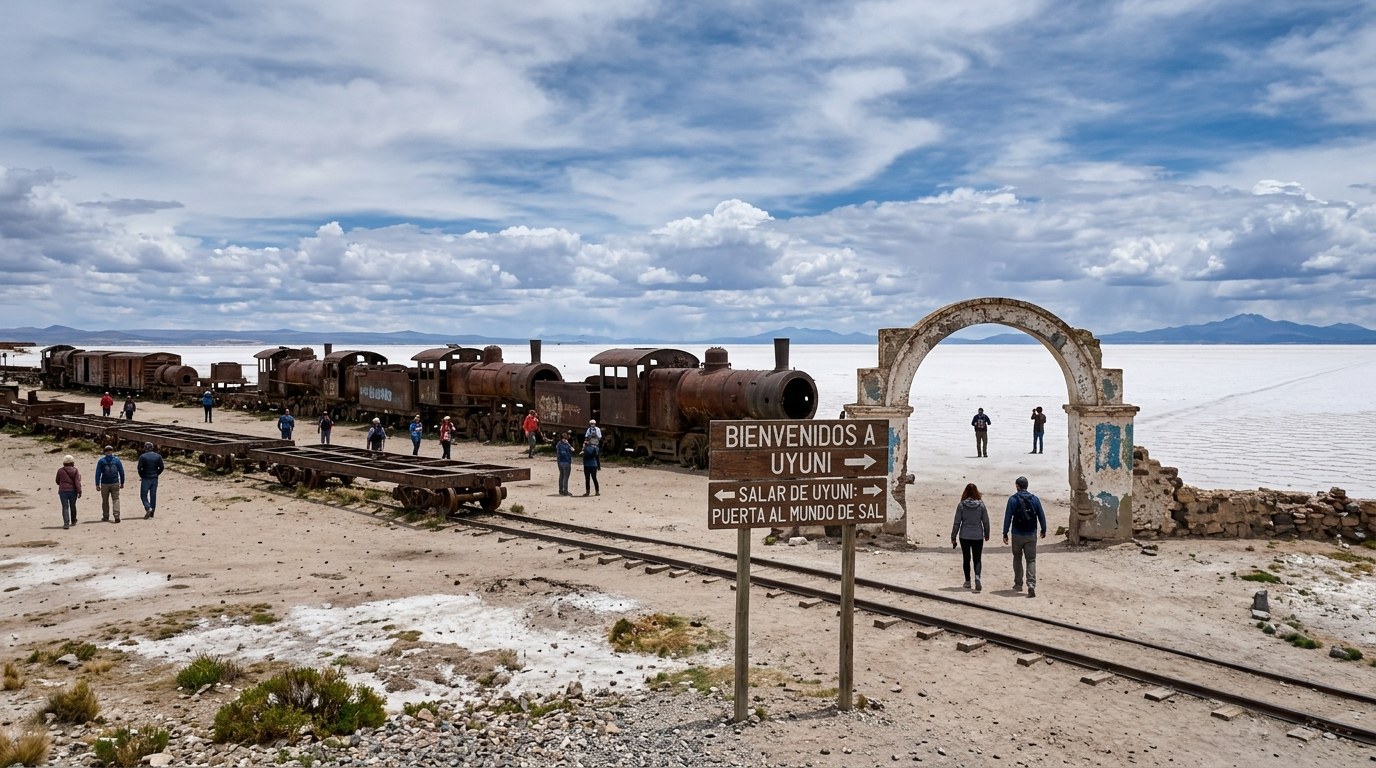
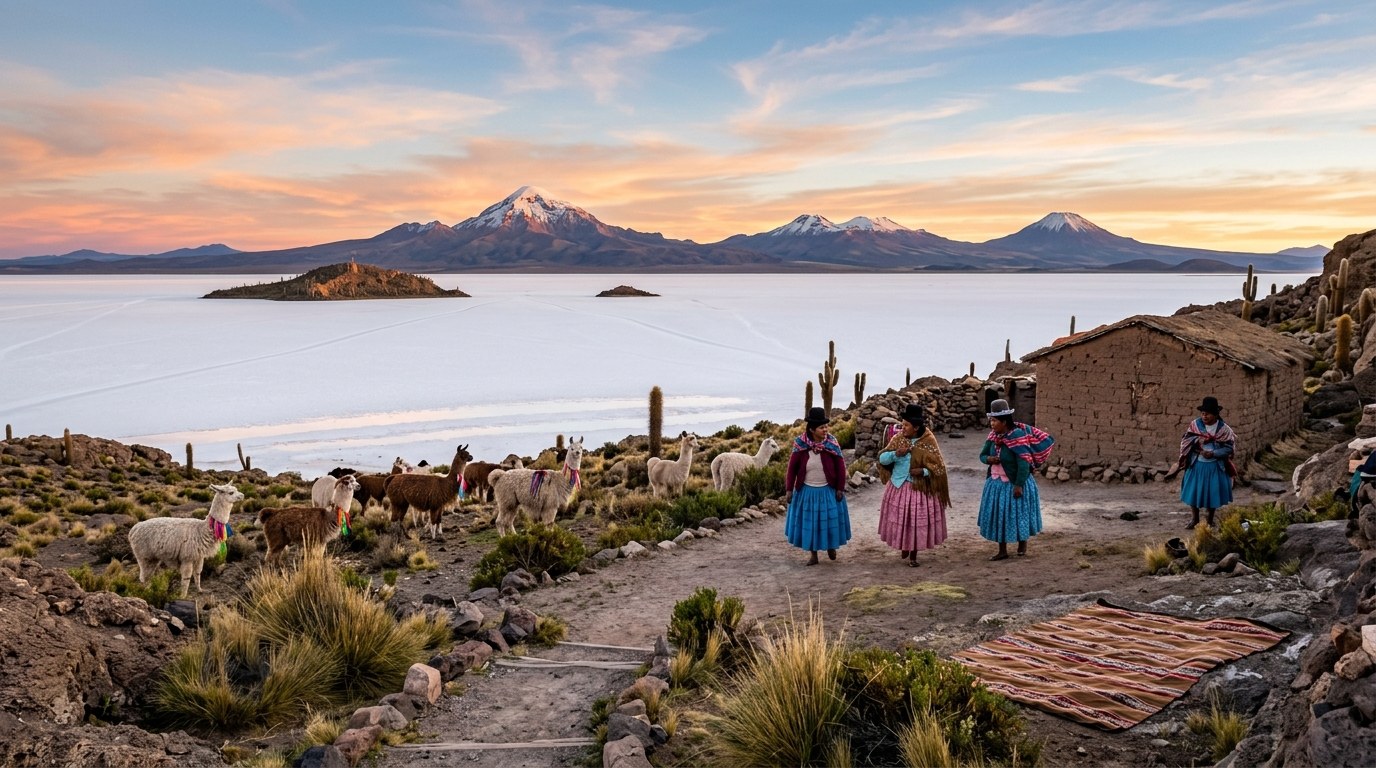
Tupiza is an alternative starting point for multi-day Salt Flats tours. The main advantage is the route itself. Trips from Tupiza usually run for four days, cover roughly 1,000 kilometers through the southwest circuit, and leave the salt flats for the final day rather than the first. This appeals to travelers who want a quieter route and a more gradual build-up.
The trade-off is price. A four-day tour from Tupiza typically costs around 1,250 to 1,400 bolivianos, roughly US$180 to US$200 based on the source. By comparison, a three-day tour from Uyuni is often cheaper, around 700 to 1,000 bolivianos, or roughly US$100 to US$150. If budget is the priority, many travelers simply take the bus to Uyuni and book there.
There are many agencies in town, and it is usually easy to arrange a tour on arrival. If you want to start from Tupiza, keep in mind that shorter tours are generally not available from here. It is mainly a four-day option.

Best time to visit Tupiza
Tupiza can be visited year round. It has a dry, desert-like climate, although the warmest and wetter period is usually from December to February. Rain during those months tends to be limited rather than constant, but the heat can make hiking less comfortable.
For walking and outdoor activities, the most comfortable months are usually the drier and cooler parts of the year. Even when days are warm and sunny, nights can be cold because of the altitude. Pack layers whatever the season.
If your plan is mainly hiking or horseback riding, try to start activities early in the day. Midday heat and strong sun are the main practical challenges here.
How to get to Tupiza
From Villazon and the Argentina border
If you are crossing from La Quiaca in Argentina into Villazon, Tupiza is the natural next stop in Bolivia. Shared colectivos run regularly between Villazon and Tupiza. The fare is about 20 bolivianos per person, and the journey usually takes 1.5 to 2 hours.
Going the other direction, shared vehicles to Villazon also leave regularly from early morning, with departures starting around 6am. There are also larger buses if you prefer a later departure.
From Uyuni
There are two departures a day between Uyuni and Tupiza, one in the morning and one in the evening. The journey now takes around five hours thanks to road improvements. This is a popular route, so if you are traveling from Tupiza to Uyuni, it is sensible to buy your ticket the day before or early on the day of travel.
The bus terminal in Tupiza is about a 10-minute walk from the central plaza.
By train
Train travel is possible toward Villazon or Uyuni, but services are limited to a few departures each week and schedules should be checked carefully. For most travelers, road transport is simpler and more flexible.
Costs and budgeting
Tupiza is generally affordable by regional travel standards, especially if you are arriving from Argentina. Based on the source information, here are a few useful reference points:
- Villazon to Tupiza colectivo: 20 Bs
- Optional local collectivo toward the hiking turn-off: 2 Bs per person
- Bus between Tupiza and Uyuni: around 50 Bs
- Three-hour horseback tour: around US$22
- Five-hour horseback tour: around US$37
- Seven-hour horseback tour: around US$51
- Four-day Salt Flats tour from Tupiza: 1,250 to 1,400 Bs
Food can be kept relatively cheap if you buy from the market or cook for yourself. There are also several traveler-oriented restaurants in town, especially around the center, with pizza and pasta common options. Beer was noted in the source as being more expensive than expected for a small town.
Where to stay in Tupiza
Tupiza has a small but decent range of accommodation, from basic hostels to more comfortable hotels.
Hostal Butch Cassidy
One of the best-known options in town. It is in a quieter area about
15 minutes on foot from the center and offers private rooms, breakfast, a guest kitchen, and help arranging
local tours.
Hotel Mitru
A more comfortable option with gardens, a pool, larger rooms, and a strong
breakfast. Good if you want a little more comfort after a border crossing or before a multi-day tour.
Refugio del Turista
A popular mid-range choice with a small pool and a guest kitchen.
Rooms are said to be compact but comfortable.
La Torre
Another commonly recommended option in town.
In general, staying near the center makes it easier to access the market, bus connections, and tour agencies. If you are sensitive to noise, a property slightly outside the center may be a better choice.
Safety and practical tips
Tupiza is usually experienced as a fairly relaxed place, but standard travel caution still applies.
- Altitude: At 2,950 meters, altitude sickness is possible. Take it easy on your first day, stay hydrated, and avoid planning a demanding hike immediately after arrival if you have come from low altitude.
- Sun and heat: The main risk on hikes is dehydration and sun exposure. Carry plenty of water, wear a hat, and use sunscreen.
- Dogs: Both the Cerro de la Cruz route and the valley trails can have stray or territorial dogs. Give them space and stay alert.
- Valuables: For hikes outside town, take only what you need and let your accommodation know where you are going.
- Footwear: Trails can be dusty, uneven, and slippery in sections. Wear proper shoes rather than sandals.
- Cash and ATMs: There are several ATMs in town, but it is still wise to carry enough cash for transport and small purchases.
Local insights before you go
Tupiza works well as a short stay of two to three nights, especially if you want one full day for hiking and another to organize onward transport or a Salt Flats tour. It is also a useful place to pause after entering Bolivia, recover from travel, and settle into the rhythm of the country before moving on.
For people considering spending more time in Bolivia, smaller towns like Tupiza offer a realistic glimpse of everyday costs, local markets, transport, and the pace of life outside the major expat hubs. And if you are entering Bolivia as a tourist first, that initial on-the-ground experience can be useful before deciding whether to explore a longer stay or residency process. PlanBolivia.com helps people navigate that step from arrival to legal stay in a clear, practical way.
Want to map your next step? Read Uyuni Salt Flats: Costs, Timing & Altitude Tips or Bolivia Backpacking: 7 Tips for Safer Budget Travel, then get in touch when you're ready. You can also see pricing and packages.
Explore More Bolivia Travel Guides


Frequently Asked Questions
When is the best time to visit Tupiza?
The best time to visit Tupiza is during the dry season, usually from April to October, when days are sunny and trails are easier to explore. This is ideal for hiking, horse riding, and trips toward the Uyuni Salt Flats. The rainy season, generally from November to March, can bring muddy roads and occasional travel delays, although the landscapes may look greener. Nights can be cold at any time of year, so warm layers are useful.
Is Tupiza expensive for travelers?
Tupiza is generally affordable compared with larger tourist hubs in Bolivia. Budget travelers can usually find simple accommodation, local meals, and low-cost transport without much difficulty. Prices increase for guided horseback rides, canyon tours, and multi-day trips to Uyuni, so it is worth comparing agencies and checking what is included. Carrying some cash is helpful, as smaller businesses may not accept cards.
Is Tupiza safe for tourists?
Tupiza is considered a relatively calm and manageable town for visitors, especially compared with bigger cities. Normal precautions are still important: keep valuables secure, avoid isolated areas after dark, and use trusted tour operators for excursions. If you plan to hike independently, tell someone your route, bring enough water, and be aware that desert terrain and changing weather can make trails more challenging than they first appear.
How do you get around Tupiza and nearby attractions?
The town center of Tupiza is small enough to explore on foot, and many hotels, restaurants, and tour agencies are within walking distance. For longer distances, travelers commonly use taxis, organized tours, or horseback excursions to reach canyons and viewpoints around town. If you are continuing onward, Tupiza also works well as a departure point for bus, train, or 4x4 routes toward Uyuni and other parts of southern Bolivia.
What should I bring for a trip to Tupiza?
Pack for strong sun, dry air, and cool nights. Useful items include sunscreen, sunglasses, a hat, lip balm, sturdy walking shoes, a refillable water bottle, and layers for changing temperatures. If you are planning hikes or horseback rides, bring comfortable outdoor clothing and a light jacket for early mornings and evenings. Dust can be an issue in dry months, so a scarf or buff can also be helpful.
Are there any health tips visitors should know before going to Tupiza?
Tupiza sits at altitude, so some travelers may feel mild symptoms such as headache or tiredness when they arrive, especially if coming from lower elevations. It helps to take it easy on your first day, stay hydrated, avoid heavy meals and excess alcohol, and give your body time to adjust. The sun is strong even when the weather feels cool, so sun protection matters. For excursions into remote areas, always carry enough water and any personal medication you may need.
What local customs or etiquette should travelers respect in Tupiza?
Travelers in Tupiza will generally find a relaxed small-town atmosphere where polite greetings and respectful behavior are appreciated. It is courteous to greet shopkeepers or hotel staff when entering, ask before taking photos of people, and be patient with slower service than in larger cities. Supporting local businesses, respecting the landscape, and following instructions from guides during tours are all good practices.