By Frank G. & Edwin H.
Bolivia travel: 9 first-timer mistakes to avoid

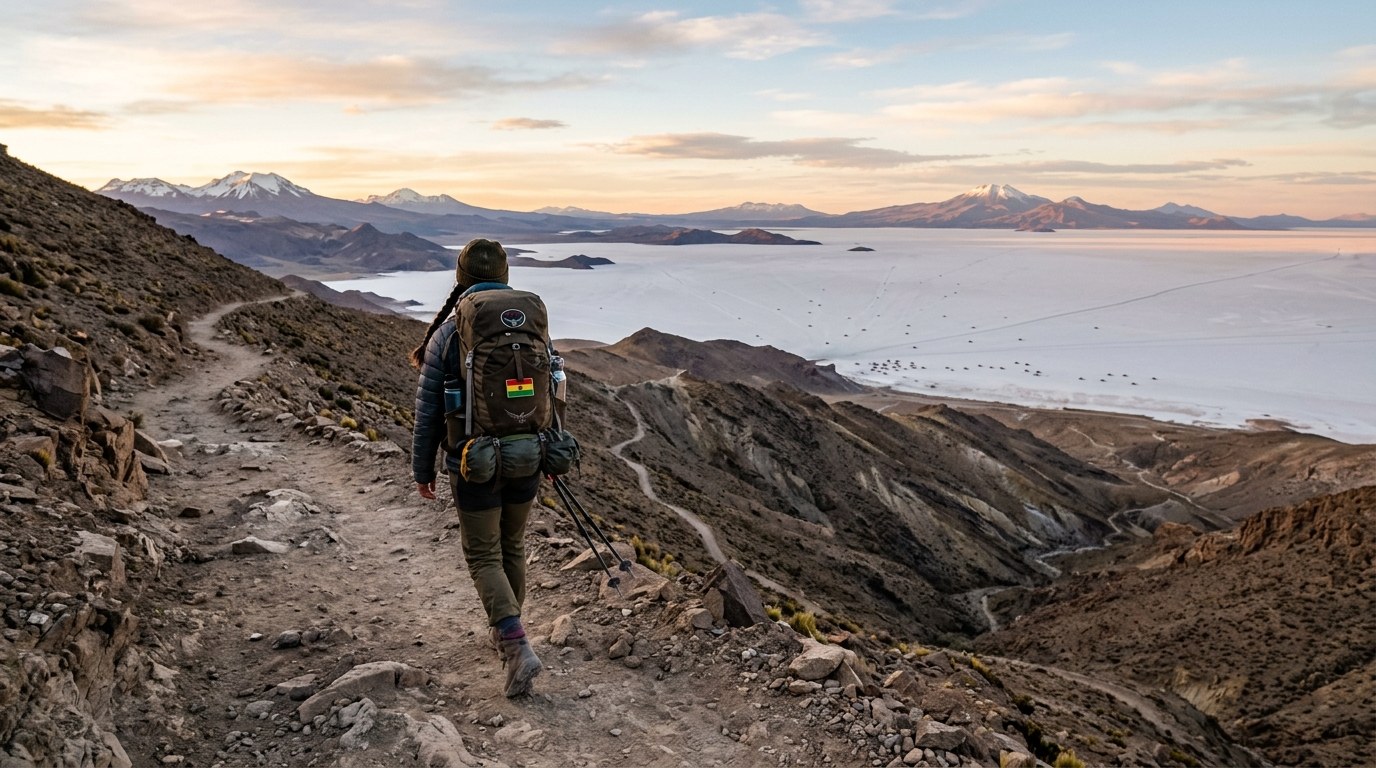
Bolivia is one of South America’s most varied travel destinations. In a relatively short time, you can move from high-altitude cities in the Andes to subtropical valleys and lowland tropical heat. It is also one of the region’s most culturally distinctive countries, with a strong indigenous presence, long-established traditions, and landscapes that feel dramatically different from one department to the next.
For visitors, Bolivia rewards flexibility and preparation. Distances can be longer than they look on a map, altitude can affect even experienced travelers, and weather changes quickly depending on where you are. At the same time, it remains one of the more affordable countries to travel in South America, with good value accommodation, intercity buses, and tours.
If you are planning a trip, this guide covers the practical basics: when to visit, what to see, typical costs, how to get around, where to stay, and a few local considerations that make travel smoother.

Why visit Bolivia

Bolivia stands out for its combination of culture, geography, and relatively low travel costs. More than 60% of the population identifies as indigenous, the highest percentage in the Americas, and that cultural continuity is visible in daily life, markets, festivals, food traditions, and language. Spanish is widely spoken, but you will also hear Quechua, Aymara, and other indigenous languages depending on the region.
The country’s range is also unusual. La Paz sits at extreme altitude and feels unlike any other city in the region. Sucre offers colonial architecture and a milder climate. Santa Cruz de la Sierra is warmer, flatter, and more commercially dynamic. Uyuni opens the door to the salt flats and the stark landscapes of the southwest. Samaipata, a few hours from Santa Cruz, offers a slower pace, green hills, and access to the UNESCO-listed site of El Fuerte.
For many visitors, Bolivia feels less polished than some neighboring countries, but that is part of its appeal. Travel here can be very rewarding if you approach it with realistic expectations and enough time in your schedule.
Best time to visit Bolivia

The best time to visit depends on your route, but in general, the dry season from June to August is the easiest period for travel. During these months, you are less likely to deal with major rain disruption, especially in the highlands and on overland routes. Skies are often clear, which is ideal for mountain views and long-distance journeys. The trade-off is colder nights, particularly in high-altitude places such as La Paz, Potosí, and Uyuni, where temperatures can drop sharply after sunset.
The rainy season usually runs from December to February. This can be a good time for travelers who specifically want to see the Salar de Uyuni with its famous mirror effect, when a thin layer of water creates strong reflections across the salt flats. However, rain can also complicate travel in remote areas. Flooding, mud, and landslides may affect roads, and some itineraries can be delayed or adjusted.
The shoulder seasons, roughly March to May and September to November, are often a very practical compromise. You may still get some showers or evening storms, but temperatures tend to be slightly warmer than in mid-winter, and visitor numbers are generally manageable. October and November can be especially pleasant in some regions, although conditions vary widely by altitude and geography.
One important point: Bolivia does not have a single national climate. You can have hot sun in one part of the country, cool evenings in another, and rainstorms elsewhere on the same trip. Pack in layers and do not plan around one forecast alone.
What to see and do


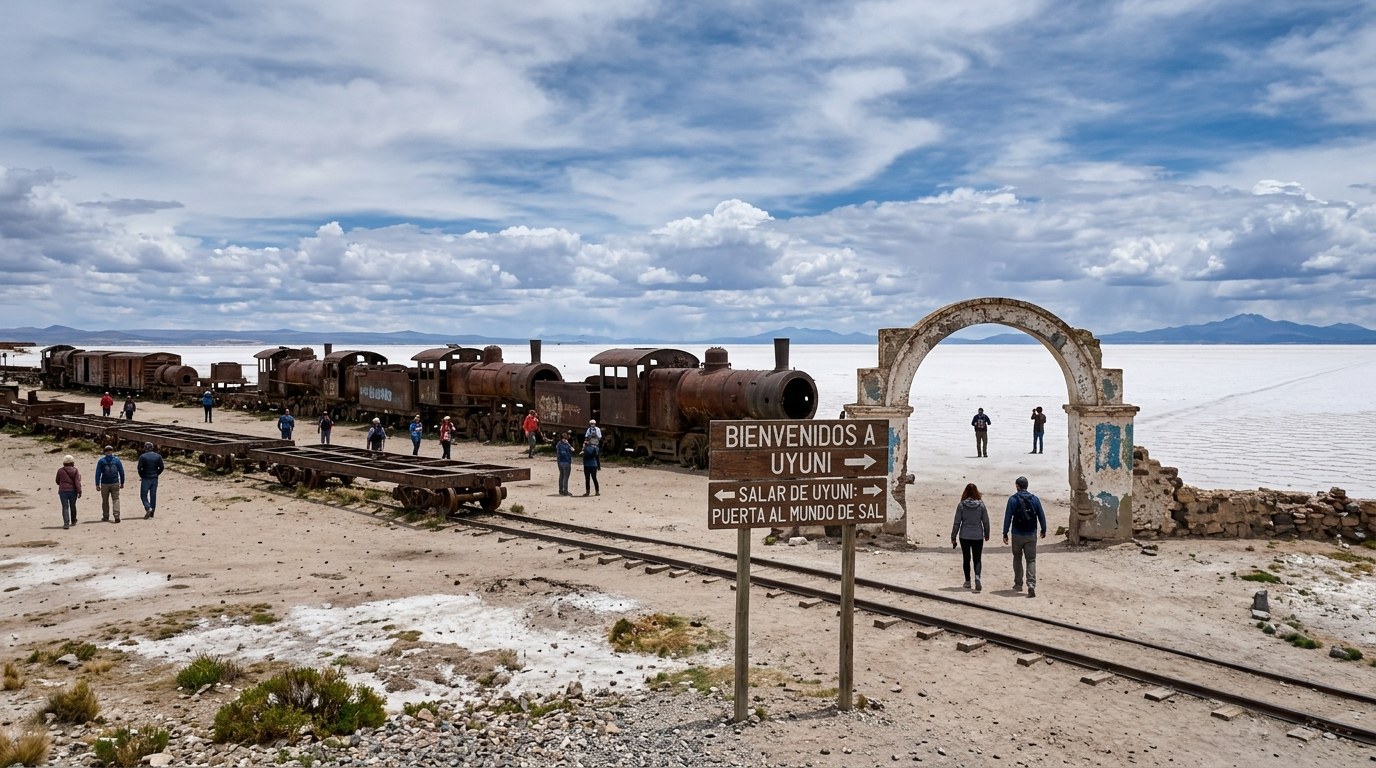
Salar de Uyuni is the country’s best-known attraction and, for many travelers, the highlight of a Bolivia itinerary. The world’s largest salt flat can be visited on a day trip from Uyuni, but many people choose a multi-day 4x4 tour that also includes lagoons, desert landscapes, rock formations, and high-altitude wildlife such as flamingos. Conditions change by season: dry months are best for geometric salt patterns and easier overland travel, while rainy months offer the mirror effect but can limit access to some areas.
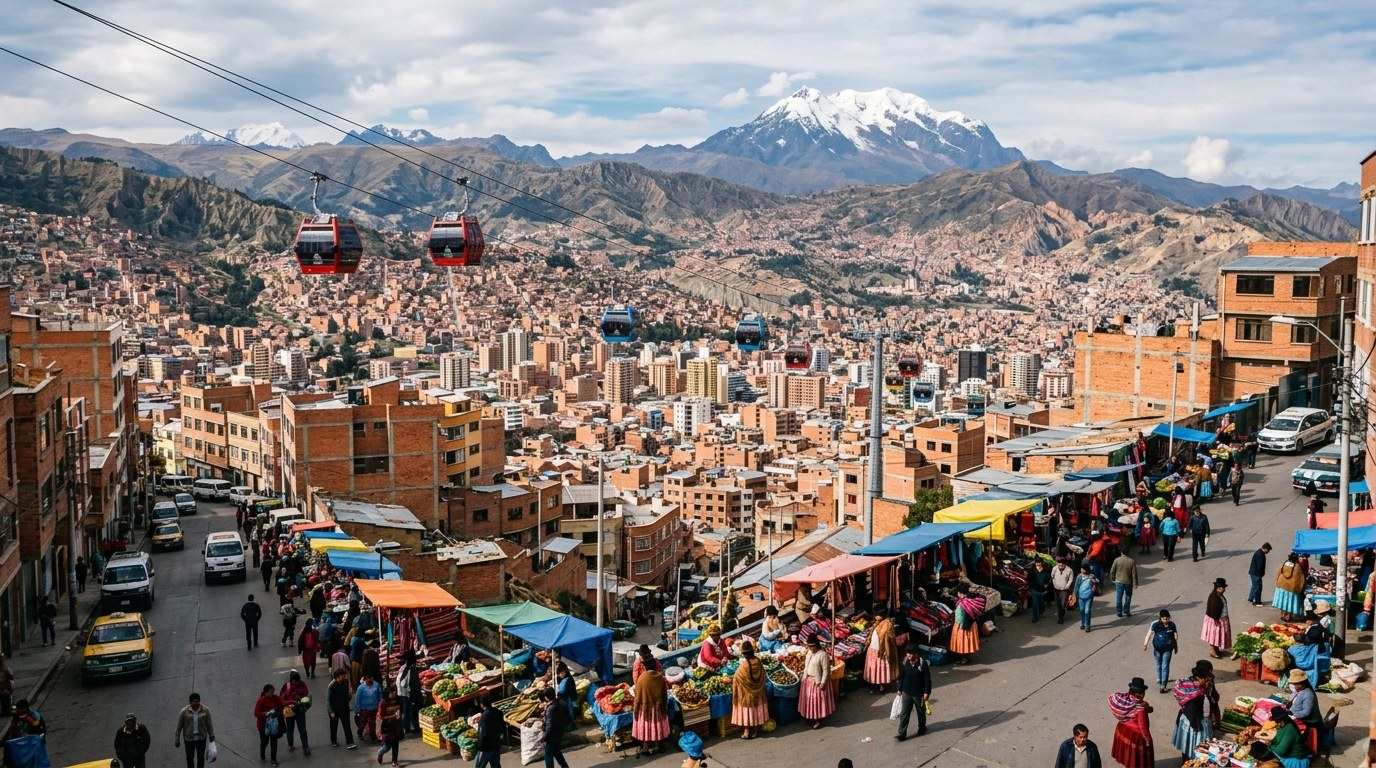
La Paz is worth time beyond a transport stop. It is a dramatic city built into a steep valley, with cable cars that double as public transport and viewpoints. Visitors often explore markets, museums, nearby valley landscapes, and day trips such as the Valle de la Luna. If you arrive by air, give yourself time to acclimatize before doing too much.
Sucre, often called the white city, is one of Bolivia’s easiest places to spend several days. It has a more temperate climate than the high plateau, attractive colonial streets, and a strong café and language-school scene. It works well for travelers who want a slower pace after high-altitude travel.
Potosí is historically one of the most important cities in South America due to its silver mining past. It is also high and cold, so many visitors find it more physically demanding. Even so, its history and architecture make it a worthwhile stop for those interested in colonial-era Bolivia.
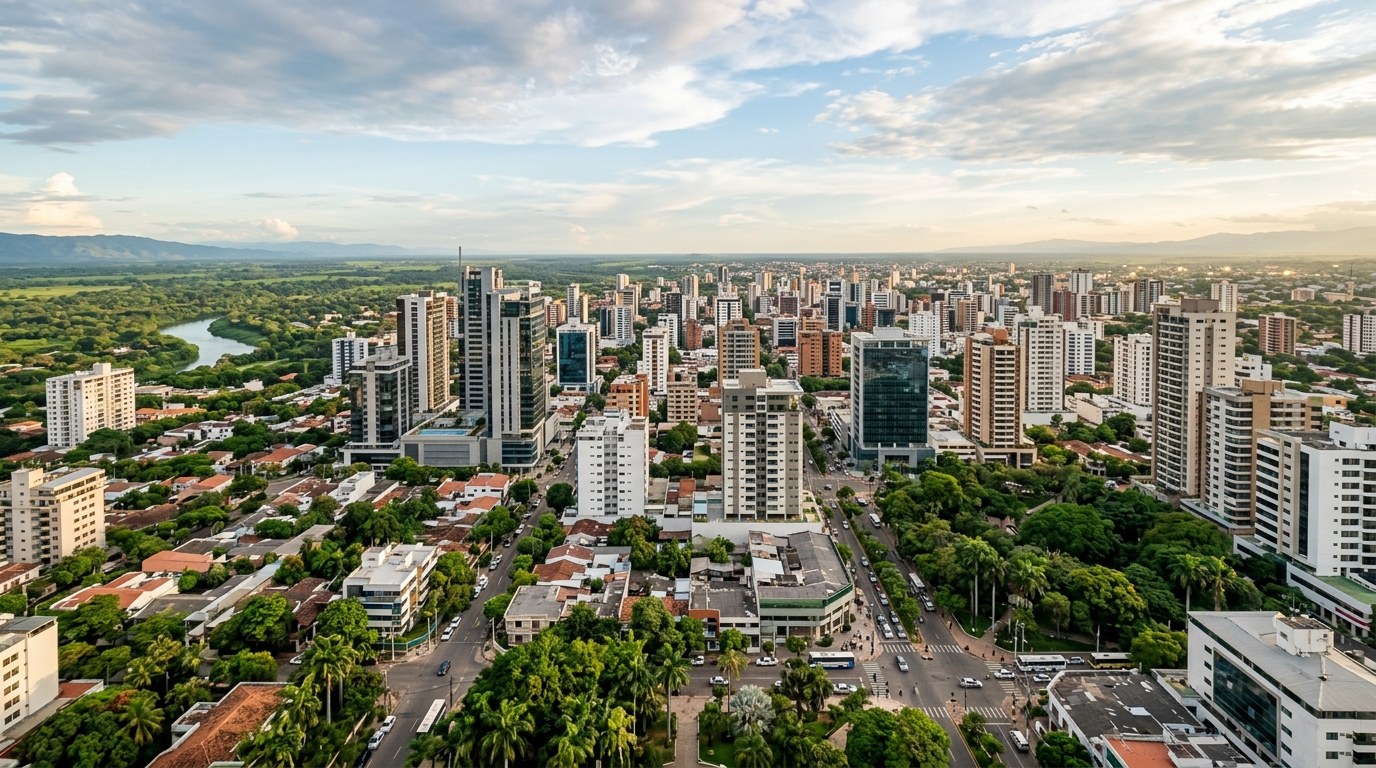
Santa Cruz de la Sierra is Bolivia’s largest metropolitan area and often the easiest international gateway for travelers arriving from elsewhere in the region. It is lower, warmer, and more modern in feel than the Andean cities. Many visitors use it as a base before heading to nearby nature areas or to Samaipata.
Samaipata is one of the most appealing places for travelers who want green scenery and a calmer atmosphere. The town is known for its mild climate, surrounding hills, and access to El Fuerte de Samaipata, a large pre-Columbian ceremonial and archaeological site carved into sandstone. Nearby attractions include Codo de los Andes and the Bosque de Helechos Gigantes, both popular for nature outings and hiking.
Lake Titicaca and the Copacabana area are also commonly included in broader Bolivia itineraries, especially for travelers continuing to or from Peru. They remain a classic addition if you have time in the northwest.

Costs and budgeting


Bolivia is generally one of the more budget-friendly countries in South America. Prices vary by city, season, and comfort level, but overall it is possible to travel here without spending heavily.
Budget travelers can often find simple private rooms or hostels at modest rates, while mid-range hotels are still relatively affordable compared with many regional capitals. In many parts of the country, local meals are inexpensive, especially set lunches at markets or small restaurants. Long-distance buses are usually the cheapest way to move between cities, though journey times can be long.
Tours are where costs rise fastest, especially for well-known destinations such as Salar de Uyuni. Prices tend to increase somewhat in peak travel months because of demand, but Bolivia is still accessible on a moderate budget year-round. As a rough planning guide, expect:
- Budget accommodation: often inexpensive by regional standards
- Mid-range hotels: usually good value in major cities
- Local meals: low-cost, especially at lunch
- Intercity buses: affordable, but comfort levels vary
- Uyuni and specialty tours: the biggest single expense for many visitors
Cash is still important in Bolivia. Cards are accepted in more businesses than before, particularly in larger cities, but smaller towns, markets, transport providers, and some hotels may prefer cash. It is sensible to carry bolivianos and not rely entirely on international cards.
Getting there and getting around
Most international visitors arrive through Santa Cruz or La Paz. Santa Cruz is often the simpler entry point physically because of its lower altitude, while La Paz is more central for Andean itineraries but can be challenging on arrival if you are not acclimatized.
Bolivia can also be entered overland from neighboring countries such as Peru, Chile, Argentina, Brazil, and Paraguay. Overland crossings are common among regional travelers, though conditions and schedules can change, so it is worth checking current border and transport information shortly before departure.
Within Bolivia, long-distance buses are the standard mode of transport. They are economical and connect most major destinations, but road quality and journey times can be inconsistent. Overnight buses are common. For long routes or when time is limited, domestic flights can be worth considering, especially between La Paz, Santa Cruz, Sucre, and Cochabamba.
For remote attractions, transport is often tour-based rather than independent. This is especially true in and around Uyuni, where 4x4 circuits are the norm.
Where to stay
Bolivia offers a broad range of accommodation, from very simple guesthouses to comfortable boutique hotels. In most destinations, booking ahead is useful during holidays and peak periods, but outside the busiest times it is often possible to find a room without much difficulty.
For first-time visitors:
- La Paz: stay in central neighborhoods with easy access to transport and services. Read our La Paz section in this guide.
- Sucre: the historic center is convenient for walking. Read our Sucre travel guide.
- Santa Cruz: choose an area with reliable transport and nearby restaurants, especially if using the city as an arrival base. Read our Santa Cruz travel guide.
- Uyuni: stay close to tour operators or the transport hub if joining an early departure. Read our Uyuni travel guide.
- Samaipata: small hotels, lodges, and guesthouses are common, often with a quieter atmosphere than in the major cities. Read our Samaipata travel guide.
If altitude is a concern, some travelers prefer to start in Santa Cruz or Samaipata before heading to higher destinations.
Safety and local practical tips
Bolivia is manageable for independent travel, but practical caution matters. In larger cities, watch bags and phones in busy areas, markets, and bus terminals. Use registered taxis or ride apps where available rather than unmarked street vehicles late at night. Keep an eye on valuables during long-distance bus travel.
Altitude is one of the most important safety considerations. Cities like La Paz and Potosí are high enough to cause headaches, fatigue, nausea, and shortness of breath even in healthy travelers. On arrival, take it easy, stay hydrated, avoid heavy exertion, and allow time before booking demanding activities.
Road travel can be slow, and weather disruptions are a real possibility in the rainy season. Build some flexibility into your itinerary, particularly if you are connecting onward by international flight.
A few additional tips:
- Carry small cash notes for transport, markets, and rural areas.
- Bring layers: hot sun during the day does not mean warm nights.
- Use sun protection, especially at altitude where UV levels are strong.
- Check tour inclusions carefully in Uyuni and other remote destinations.
- Learn basic Spanish if possible; it makes logistics much easier outside the main tourist routes.
Local insights for a smoother trip
Bolivia tends to reward slower travel. Distances are not always huge, but conditions can make journeys longer than expected. Rather than trying to cover the whole country quickly, many visitors have a better experience by focusing on one or two regions at a time.
It also helps to think in terms of altitude progression. Starting low in Santa Cruz, then moving to valleys such as Samaipata or Sucre, and only then going higher can make the trip more comfortable. If your route begins in La Paz, plan light activities first.
Culturally, a respectful and low-key approach goes a long way. Ask before photographing people, especially in rural and indigenous communities. Market towns and local festivals are often highlights of a trip, but they are everyday spaces first and tourist attractions second.
For anyone considering a longer stay, a short trip through Bolivia is also a useful way to understand how different the country’s regions feel in practice. Climate, pace of life, infrastructure, and daily costs can vary significantly between places like Santa Cruz, Sucre, La Paz, and Samaipata. That matters not only for travel planning, but also for anyone exploring relocation or residency options.
Want to map your next step? Read Bolivia Backpacking: 7 Tips for Safer Budget Travel or La Paz Travel: Costs, Safety & Altitude Tips, then get in touch when you're ready. You can also see pricing and packages.
Explore More Bolivia Travel Guides


Frequently Asked Questions
When is the best time to visit Bolivia?
The best time to visit Bolivia depends on where you plan to go, but the dry season from May to October is generally the most popular for travel. These months usually bring clearer skies and better road conditions, especially in the Andes, Uyuni, La Paz, Sucre, and other highland destinations. The rainy season from November to March can make transport slower in some areas, but landscapes are greener and some regions feel less crowded. If you are traveling across different parts of the country, expect major climate changes between high-altitude cities, valleys, and tropical lowlands.
Is Bolivia an expensive destination for travelers?
Bolivia is often considered one of the more affordable countries in South America, though costs vary by region, comfort level, and transport style. Budget travelers can usually find inexpensive local meals, simple accommodation, and low-cost buses, while mid-range and higher-end options are available in major cities and popular tourist areas. Tours to places like the Salar de Uyuni or the Amazon can add significantly to your budget, so it helps to plan for those separately. Carrying some cash is useful, as card acceptance is not universal outside larger towns and cities.
Is Bolivia safe for tourists?
Bolivia can be a rewarding destination for travelers, but it is best approached with normal precautions. Petty theft, bag snatching, and opportunistic scams can happen, especially in busy urban areas, bus terminals, and markets. Use registered taxis or ride services where available, avoid displaying valuables, and be cautious when traveling at night. It is also wise to check local conditions before overland journeys, as road delays, strikes, and demonstrations can occasionally affect travel plans.
How do travelers usually get around Bolivia?
Getting around Bolivia often requires patience because distances, altitude, and road conditions can make journeys longer than expected. Long-distance buses are the most common and affordable option between major cities, while domestic flights are useful for saving time on longer routes such as La Paz to Santa Cruz or the Amazon region. In cities, travelers typically use taxis, shared minibuses, or local transport, but standards can vary. If you are building an itinerary with multiple climates and elevations, leave extra time for connections and possible delays.
What should I pack for a trip to Bolivia?
Pack for changing temperatures rather than for one single climate. Layers are essential because mornings and nights in the highlands can be very cold, while daytime sun can be strong and lowland areas may be hot and humid. Good walking shoes, sun protection, a hat, sunglasses, and a reusable water bottle are useful almost everywhere. If you are visiting high-altitude destinations, bring warm clothing, and if your route includes tropical or rainy areas, include lightweight clothes, insect repellent, and rain protection.
What health tips should travelers know before visiting Bolivia?
Altitude is one of the most important health considerations in Bolivia, especially in places like La Paz, Potosi, and the Altiplano. It is a good idea to take it easy on arrival, stay hydrated, avoid heavy meals and alcohol at first, and allow time to acclimatize before strenuous activity. Depending on your itinerary, you may also want medical advice about vaccinations or malaria prevention for lowland and Amazon regions. Drink safe water, use sun protection at high elevations, and travel insurance is strongly recommended.
Are there any local customs or etiquette visitors should be aware of in Bolivia?
Bolivia has a strong indigenous and regional cultural identity, and showing respect for local customs goes a long way. Dress modestly in more traditional communities, ask before photographing people, and be polite in markets and small towns. Greeting people courteously is appreciated, and patience is useful when services move more slowly than expected. If you visit festivals, religious sites, or rural areas, be especially respectful of local traditions and community spaces.