By Frank G. & Edwin H.
Bolivia backpacking: 7 tips for safer budget travel

Bolivia is one of South America's most rewarding budget destinations, but it can also be one of the least predictable. High altitude, long overland journeys, changing road conditions, and a few very local quirks mean a little preparation goes a long way.
This guide pulls together the practical things most visitors wish they knew before arriving, from when to go and what it costs to how to handle transport, water, cash, and safety on the ground.

Why backpackers keep extending their Bolivia trip
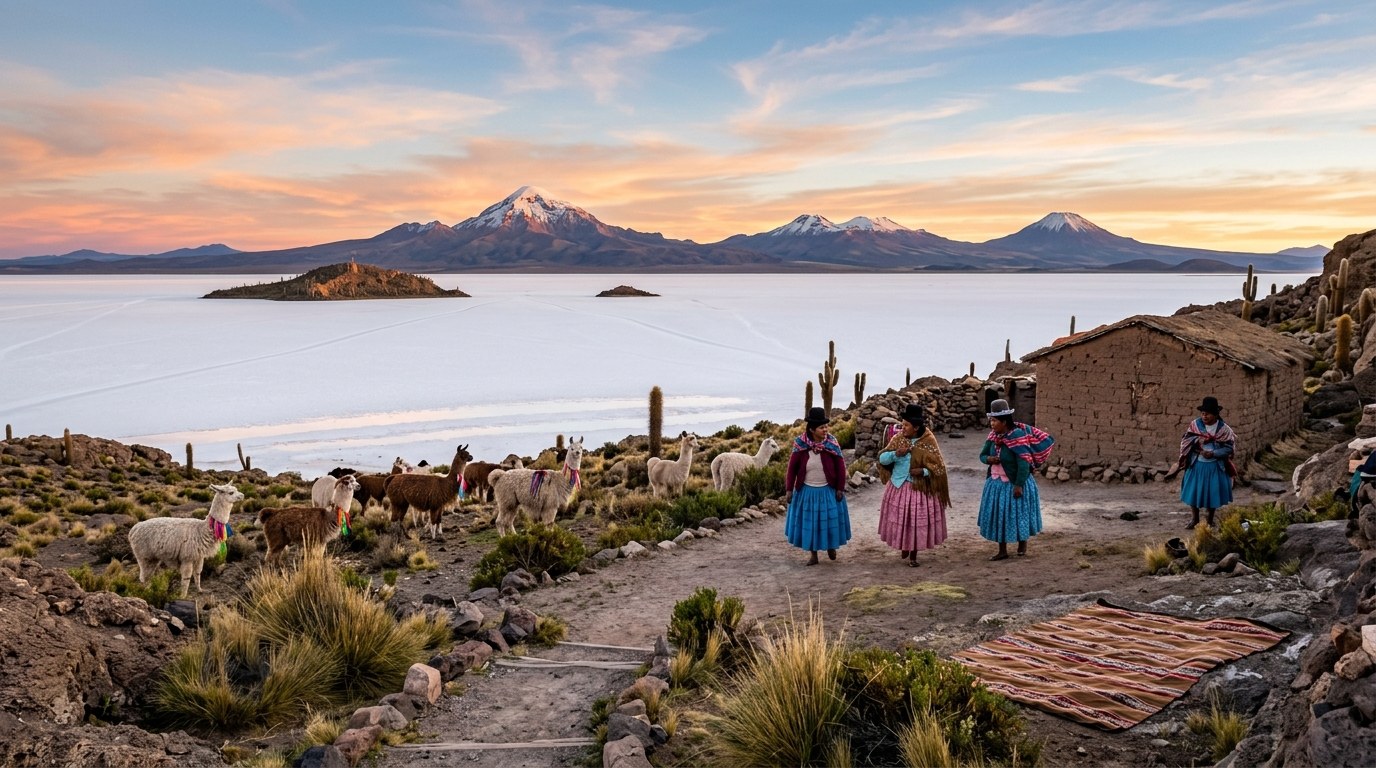
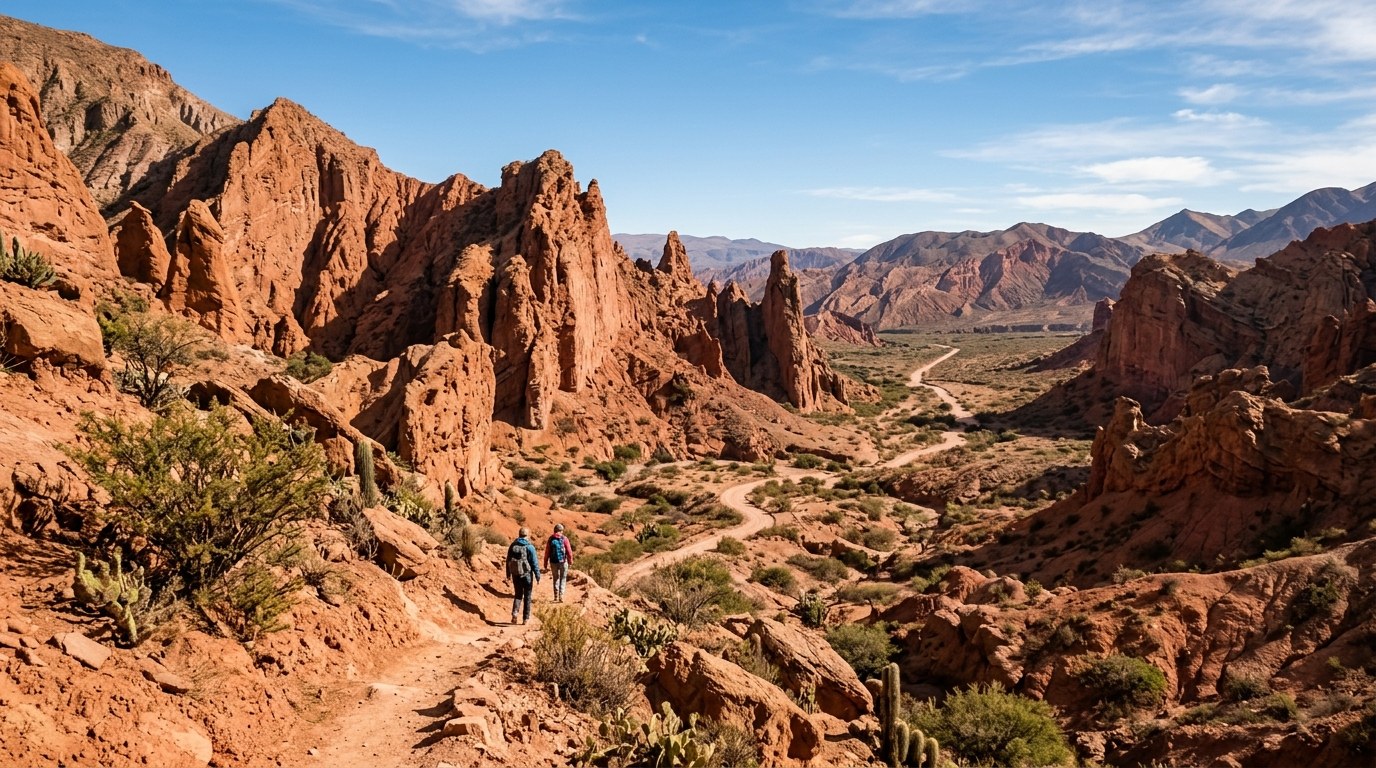
Many travelers come to Bolivia for a few headline stops and end up staying longer. The obvious highlights are easy to understand: La Paz, the Uyuni Salt Flats, Lake Titicaca, Amazon access via Rurrenabaque, Sucre, and the mountain landscapes of the altiplano. But part of Bolivia's appeal is that it still feels varied and local from one region to the next.
It is also one of the friendlier countries in South America for a tighter budget. Accommodation, meals, language classes, and overland transport can be very affordable compared with neighboring countries. That makes it a good place for slow travel, especially if you want time to study Spanish, explore multiple regions, or simply build in buffer days for weather and transport disruptions.
And for people considering a longer stay, that matters. Bolivia is not just a place to rush through on a classic backpacking loop. It is somewhere you can test as a real base while traveling, especially in cities like La Paz, Sucre, Cochabamba, or Santa Cruz.
Altitude is the first thing to plan around
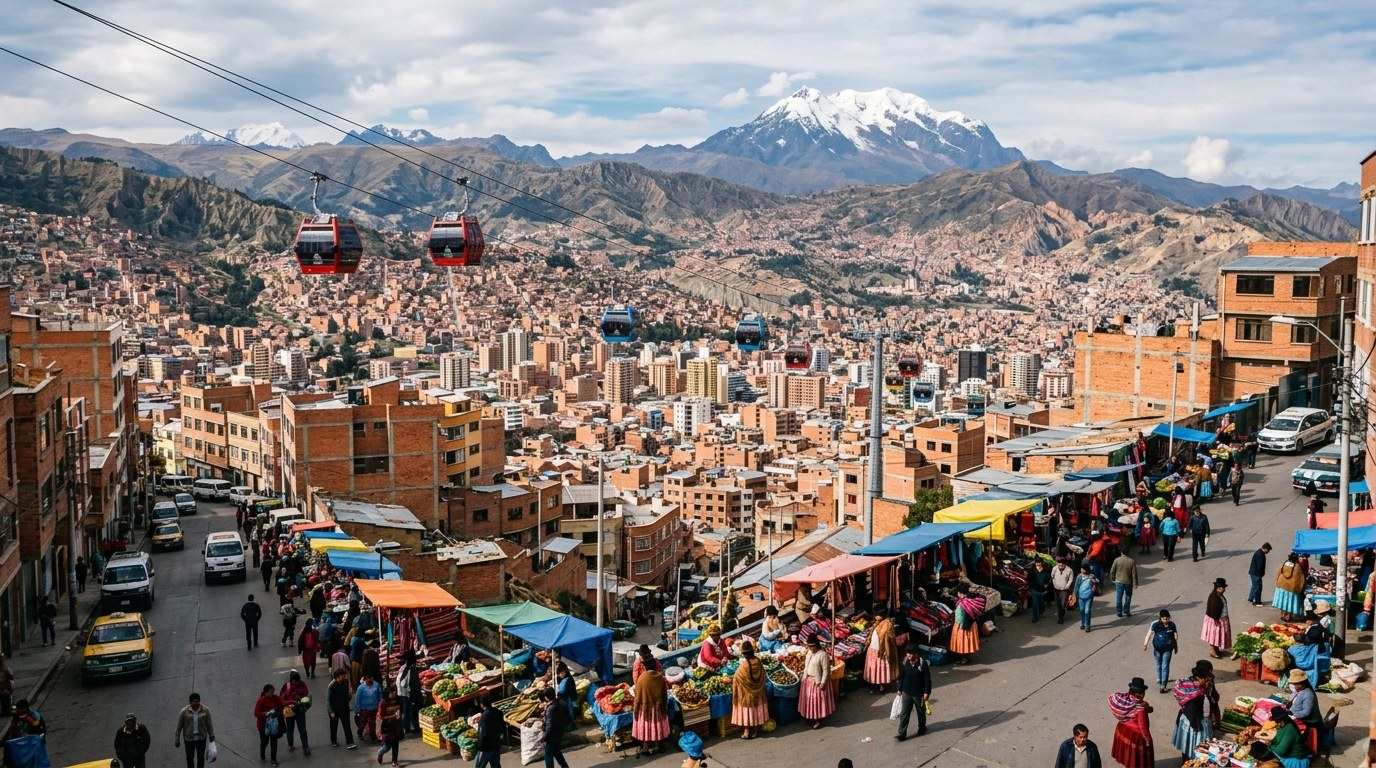
You cannot really avoid altitude in much of Bolivia. El Alto sits at 13,615 ft, Potosi at 13,420 ft, Oruro at 12,159 ft, and La Paz at 11,913 ft. Even fit travelers can find themselves out of breath walking uphill or climbing stairs on the first days after arrival.
Altitude sickness can affect travelers from around 2,500 meters upward. Common symptoms include headache, nausea, loss of appetite, and unusual tiredness. The most useful prevention is to ascend gradually and give yourself time to acclimatize. Staying hydrated, sleeping well, and avoiding alcohol on arrival also help.
If symptoms get worse or do not improve, descend to a lower altitude and seek medical help. Travel insurance is important here, especially if your itinerary includes high-altitude cities, long bus rides, or remote areas.
One common local remedy is coca leaf tea or chewing coca leaves. Coca leaves have long-standing cultural importance in Bolivia and are widely used for altitude discomfort. They are legal in this traditional form and easy to find for a few bolivianos. That is completely different from cocaine, which is illegal and not something travelers should go near.
Best time to visit Bolivia
For most visitors, the easiest time to travel in Bolivia is the dry season from May to October. This is the period with more reliable weather for hiking, clearer skies in the Andes, and less humidity in lower-altitude jungle areas. It is also the period when road travel is generally less vulnerable to rain-related disruption.
The tradeoff is cold nights, especially in the highlands. Temperatures can drop below freezing overnight in places like Uyuni and other altiplano stops, so warm layers are essential.
If your main goal is to photograph the mirror effect at the Uyuni Salt Flats, that usually happens during the wetter months, roughly December to March. Those conditions can create the famous reflective surface, but they can also make crossings harder and affect which tours operate.

What to budget for backpacking Bolivia
Bolivia remains one of the best-value backpacking destinations in South America. Budget travelers can still find low-cost accommodation, simple local meals, and inexpensive transport between major stops.
Some useful reference points from the source material:
- Basic accommodation was cited at around 80 bolivianos per night in one example
- Spanish classes can start around USD 4 per hour for group lessons and around USD 7 per hour for individual lessons
- Some bus routes work out at less than 10 bolivianos per hour of travel
- A multi-day Uyuni Salt Flats trip was cited at around USD 150
Cash is still very important in Bolivia, especially outside larger hotels, better restaurants, and more established tourism businesses. Card acceptance is improving, but many smaller purchases still require cash. Keep small notes whenever possible because change can be hard to get in markets, kiosks, and on transport.
What to see and how to shape your route
Most first-time itineraries focus on western Bolivia, and for good reason. La Paz is the main transport hub for the west and usually appears multiple times in a trip. From there, travelers commonly head to Lake Titicaca and Copacabana, Coroico and the Yungas, or flights north toward Rurrenabaque for Amazon trips.
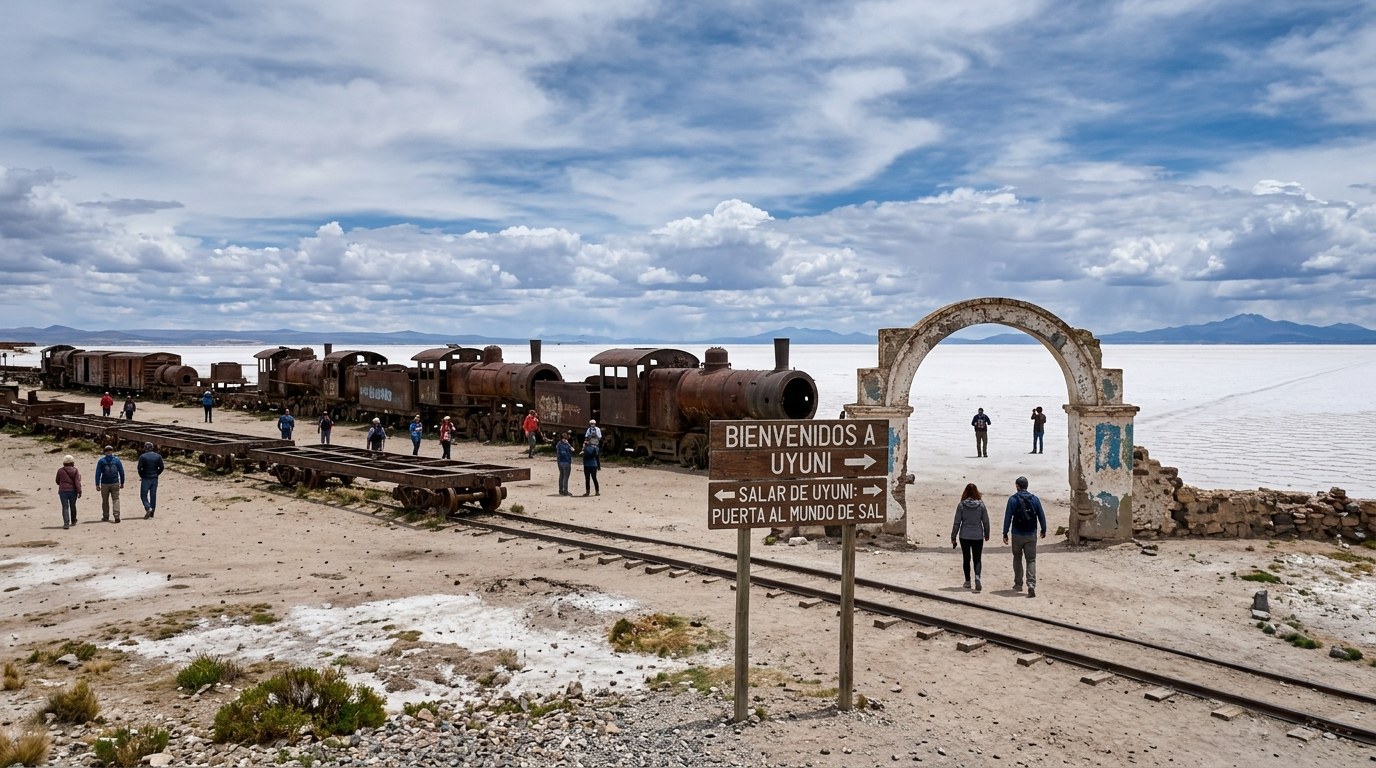
Uyuni remains the country's classic big-ticket experience. You do not necessarily need a 3-night or 4-day jeep circuit to appreciate the salt flats. If your budget is tighter, or if you are short on time, a day trip from Uyuni can still give you many hours on the flats and the iconic photos. The longer overland jeep route makes more sense if you also want the desert landscapes near the Chilean border or if you are continuing on toward San Pedro de Atacama.
Sucre is one of the easiest cities to spend longer in. It is more manageable in altitude than La Paz, has a pleasant climate, and is one of the most popular places in Bolivia for Spanish classes.
It is also worth looking east. Many travelers skip the eastern departments because they enter from Peru or Chile and stay on the classic western loop. But Samaipata and the wider Santa Cruz region offer a very different side of Bolivia, with warmer weather, lower altitude, and access to nature outside the high Andes.
Transport: cheap, useful, and often the weakest link
Transport in Bolivia is usually cheap, but comfort and reliability vary a lot. Long-distance buses are a core part of backpacker travel, and fares can be excellent value. The catch is that quality is inconsistent. Seats may not be great, journeys can be rough, and even seat assignments are not always dependable.
On some routes, shared vans or inter-city colectivos are a better option. These tend to be quicker and more comfortable than the cheapest buses and are common on routes such as La Paz to Coroico and Santa Cruz to Samaipata.
Bathroom stops can be infrequent on long journeys, so plan accordingly. If the bus technically has a toilet, many travelers prefer to avoid using it.
More importantly, road travel in Bolivia requires patience and backup plans. Road quality is uneven, landslides can close routes, and protests or strikes can shut down entire corridors for days. If that happens, good information can be hard to find quickly. Internal flights are often the practical fallback and can be worth considering if your schedule is tight.
Driver behavior is another reason to stay alert. If a driver is taking risks, speak up clearly and firmly. It may feel awkward, but it is better than staying quiet on a dangerous road.
Where to stay and what to check before booking
Budget accommodation is widely available, but standards differ. If you work remotely, need to book onward travel, or just want a reliable connection, check Wi-Fi reviews carefully. Internet in Bolivia can still be poor and inconsistent, even in well-known backpacker areas.
If you plan to self-cater, note that hostels with good kitchens can be surprisingly hard to find. Book with that in mind rather than assuming every hostel will have usable cooking facilities.
In La Paz especially, it often makes sense to find one accommodation you like and return to it between side trips. Many travelers pass through the city more than once, and some hostels will let you store luggage securely while you head to the Amazon or other destinations.
Water, food, markets, and daily practicalities
Tap water in Bolivia is generally not considered safe to drink. Many travelers rely on bottled water or a filter bottle. If you do buy water, large bottles create less waste than repeatedly buying small ones. Some accommodations offer filtered water refills, which is worth asking about on arrival.
If you cook for yourself at altitude, remember that water boils at a lower temperature in high places like La Paz. That means food can take much longer to cook, and boiling alone is less effective than you may expect for sterilization.
One small but genuinely useful tip: carry toilet paper or tissues with you. In budget accommodations, bus stations, and some restaurants, it may not be provided or may be treated as an extra.
For groceries, Bolivia often feels more market-based than supermarket-based. Markets are lively, photogenic, and a great place to practice Spanish and buy produce, but they are not always the easiest if you want fixed pricing and one-stop convenience. Larger cities such as La Paz and Santa Cruz do have supermarkets, especially in wealthier areas.
Restaurant service can also feel more hands-off than some travelers expect. In many places, it is faster to ask directly for the menu, place your order at the counter if needed, and request the bill proactively rather than waiting.
Spanish, internet, and staying longer
Bolivia is a strong choice for learning Spanish, particularly in Sucre and La Paz. Costs are relatively low, and longer bookings often bring discounts. For many visitors, a week or two of classes ends up being one of the most useful parts of the trip.
That is also part of why Bolivia works well for a slower stay. You can combine language study, affordable living costs, and regional travel without needing to move constantly. If you are testing whether Bolivia suits you beyond a short trip, spending time in one city and using weekends for side trips can be more useful than rushing through a long checklist.
Safety and scams
Bolivia is manageable for independent travelers, but basic precautions matter. One scam to be aware of is the fake police approach. Someone claiming to be an undercover officer may ask to see your passport or pressure you to go with them to a station. The goal can be theft, extortion, or being taken to an ATM.
A practical precaution is to carry a photocopy of your passport and entry stamp page rather than your original when walking around. If someone claiming to be police approaches you, stay in a public place, do not hand over your original passport casually, and do not go anywhere alone with them without clear verification.
Also be cautious during strikes and road blockades. These are not rare in Bolivia and can affect travel significantly. Avoid trying to force your way through a blockade and do not rely on same-day assumptions for overland travel when protests are active.
How long can tourists stay?
The source material notes that the standard tourist entry for many nationalities is 30 days, with the possibility of extending for an additional 60 days free of charge in cities such as La Paz, Sucre, and Santa Cruz. Entry rules vary by nationality and can change, so always verify the current requirements before travel.
For some visitors, that flexibility is useful because Bolivia rewards extra time. A short trip can cover the highlights, but a longer stay lets you adjust to altitude, improve your Spanish, and get a more realistic sense of daily life in different parts of the country.
If that longer stay turns into thinking seriously about living in Bolivia, a scouting trip like this is often the best place to start. You can enter as a tourist, spend time in the cities that interest you most, and then decide whether you want to explore residency options more formally.
Want to map your next step? Read Bolivia Travel: 9 First-Timer Mistakes to Avoid or La Paz Travel: Costs, Safety & Altitude Tips, then get in touch when you're ready. You can also see pricing and packages.
Explore More Bolivia Travel Guides


Frequently Asked Questions
When is the best time to go backpacking in Bolivia?
The best time for most backpackers is during the dry season from May to October, when skies are clearer and road conditions are generally better for long overland travel. This is also the most reliable period for visiting high-altitude areas like La Paz, Sucre, Potosi, and the Uyuni region. The rainy season, roughly November to March, can bring transport delays, muddy roads, and changing conditions, especially in remote areas, but landscapes are greener and there are often fewer travelers. If your route includes both the highlands and lower jungle or tropical regions, expect strong regional weather differences year-round.
How much does it cost to backpack around Bolivia?
Bolivia is one of the most budget-friendly countries in South America, but your daily costs depend a lot on comfort level and route. Budget backpackers can often travel cheaply using local buses, simple hospedajes, market meals, and shared tours. Costs rise in popular destinations such as Uyuni and Rurrenabaque, where multi-day tours are a major expense. Larger cities may offer more price variety, while remote areas can be unexpectedly expensive because of transport logistics. It is smart to keep extra cash for strikes, delays, weather changes, or needing to switch plans at short notice.
Is Bolivia safe for backpackers?
Bolivia is generally manageable for backpackers who use common sense, but it does require awareness. Petty theft can happen in bus terminals, markets, crowded streets, and on overnight transport, so keep valuables secure and avoid flashing phones or cash. In some cities, it is best to use registered taxis or ride apps where available instead of hailing random cars late at night. Road travel can be slow and unpredictable because of weather, landslides, protests, or blockades, so build flexibility into your plans. Altitude is also a real safety issue, especially when arriving in La Paz or other high areas, so do not treat it lightly.
What is the best way to get around Bolivia?
Most backpackers get around Bolivia by long-distance bus, which is usually the cheapest and most common way to travel between major destinations. Buses vary widely in quality, so it is worth checking comfort level and journey times before booking, especially for overnight routes. Domestic flights can save a lot of time on longer connections such as La Paz to Santa Cruz or Uyuni links, but they cost more and schedules can change. Shared taxis, minibuses, and local transport are common for shorter regional trips. Because distances are long and road conditions can change quickly, it is wise to avoid planning connections too tightly.
What should I pack for a backpacking trip in Bolivia?
Pack for big temperature swings rather than for one single climate. In the highlands, days can feel strong under the sun but nights are often very cold, so layers are essential. Bring a warm jacket, fleece, hat, sun protection, comfortable walking shoes, and a reusable water bottle with a way to purify water if needed. Rain gear is useful in the wet season, while insect repellent matters more in lower, humid regions. Many backpackers also find a headlamp, power bank, toilet paper, and small first-aid kit helpful for long bus rides and basic accommodation.
What health tips should travelers know before visiting Bolivia?
Altitude is the biggest health issue for many visitors, especially if arriving directly into high-elevation cities. Take it easy for the first day or two, stay hydrated, avoid heavy drinking at first, and do not rush into demanding hikes. Food and water can also catch travelers off guard, so stick to bottled, filtered, or properly treated water and be selective with street food if your stomach is sensitive. Depending on your itinerary, especially if you are going into lowland or jungle areas, you may want to check vaccine and mosquito-related advice before your trip. Basic travel insurance that covers delays, medical care, and remote travel is strongly recommended.
Are there any local customs or practical etiquette tips backpackers should know in Bolivia?
A little patience and respect go a long way in Bolivia. Things often move at a slower pace than travelers expect, and transport schedules may be flexible, so staying calm helps. In markets, small shops, and rural areas, carrying small bills is useful because change is not always available. Ask before taking photos of people, especially in traditional or Indigenous communities. Learning a few basic phrases in Spanish is very helpful, and in some areas you may also hear Indigenous languages such as Quechua or Aymara. Polite greetings, respectful behavior, and flexibility around local routines are usually appreciated.