By Frank G. & Edwin H.
Pay like a local in Bolivia: qr payments day one

You land in Santa Cruz. Your phone has Wise, Revolut, maybe a crypto wallet. You walk into a café, order a coffee, and pull out your card.
The total comes to 18 bolivianos. You tap your card. The machine beeps. The coffee is good.
What you do not realize: your bank just converted that $2.60 coffee at the official rate of 6.96 bolivianos per dollar. On the parallel market, that same dollar was worth 9.05 bolivianos. You just overpaid by 30 percent.
This is the problem WanderWallet solves. And it is why we are announcing our collaboration with them today.

What is WanderWallet?
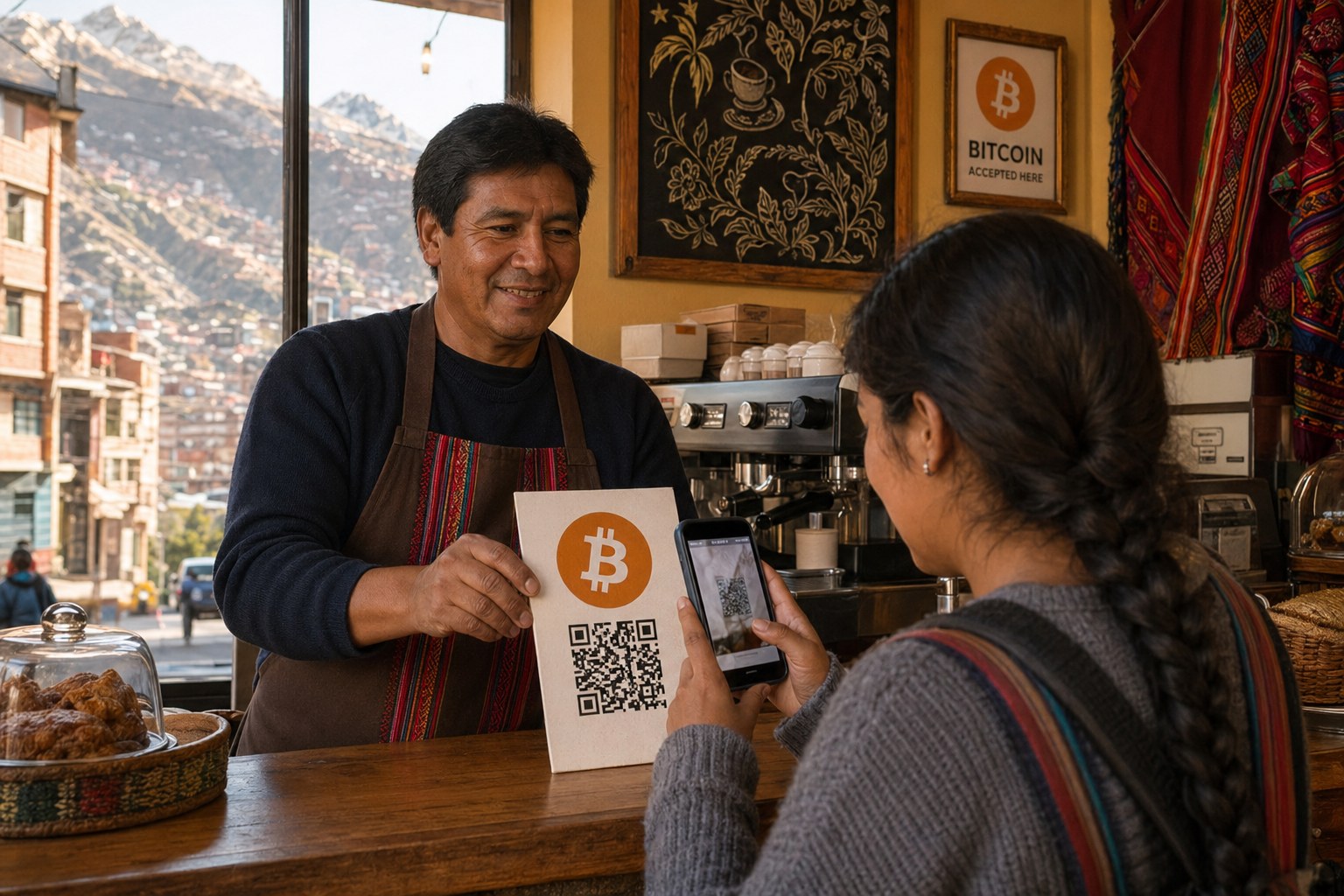
WanderWallet is a mobile wallet built specifically for foreigners in Bolivia. It connects directly to Bolivia's national QR payment network, letting you pay at shops, restaurants, and markets the same way Bolivians do: by scanning a QR code with your phone.
No Bolivian bank account required. No residency card. No physical cash. Just an app, a QR code, and the real exchange rate.
For PlanBolivia.com clients, WanderWallet solves the single biggest friction of the first week in the country: how do I pay for things without getting destroyed on the exchange rate?
Bolivia's QR Simple payment system: cash is no longer king
Bolivia was the first country in Latin America to launch a fully interoperable QR payment system. It is called QR Simple, it launched in 2019, and it now handles 91 percent of all interbank transfers in the country.
Walk into any shop, restaurant, or market stall in Santa Cruz or La Paz. Look for the QR code at the counter. It is everywhere.
But here is the catch: to use QR Simple, you need a Bolivian bank account. And to open a Bolivian bank account, you need a Cédula de Identidad de Extranjero (CIE), the foreign resident ID card. Getting that card depends on nationality group and SEGIP: cards print in La Paz (often fastest pickup there), while Santa Cruz typically waits for the shipped card after your appointment.
WanderWallet eliminated that catch. Their app plugs into the QR Simple network directly. You download it, fund it, and start scanning the moment you arrive. Before you file your residency application. Before your Interpol check. Before you step foot in immigration.
The parallel exchange rate: why WanderWallet beats Wise and Revolut
Bolivia has an official exchange rate and a parallel market rate. The official rate sits at 6.96 bolivianos per dollar. The parallel rate, driven by real supply and demand, floats around 9.05 bolivianos per dollar as of April 2026.
When you pay with Wise or Revolut, your transaction processes through a card network that uses the official rate. You lose roughly 30 percent on every purchase. A $500 apartment rental paid through your foreign card costs you roughly $150 more than it should.
WanderWallet processes at the parallel rate. Every QR scan, every payment, every transaction: you get the real rate, not the official one.
This is not a small difference. Over a month in Bolivia, the spread between the official and parallel rate can mean hundreds of dollars in lost value. WanderWallet captures that spread and puts it back in your pocket.

No residency required: available for foreigners from day one
This is the headline feature for anyone moving to Bolivia.
Every other path to the parallel rate requires something you do not have on day one. A Bolivian bank account requires a residency card. Binance P2P requires crypto knowledge and a counterparty. Cash exchange requires finding a reliable source.
WanderWallet works from the moment you land. Download the app, complete a simple identity verification, fund your wallet, and scan. You can use it as a tourist on day one, as a residency applicant on day sixteen, and as a permanent resident three years later.
For our clients going through the residency process in La Paz or Santa Cruz, WanderWallet turns what used to be an expensive waiting period into business as usual.
Fund your wallet your way: bank transfer, Revolut, or USDC
Not everyone moves money the same way. WanderWallet supports multiple funding methods:
- Bank transfer for clients who prefer traditional rails.
- Revolut top-up for Europeans and UK residents who already use Revolut as their primary spending account. Fund in your home currency, spend in bolivianos at the parallel rate.
- USDC deposits for crypto-native clients. Send stablecoins directly to your WanderWallet, convert to bolivianos at the parallel rate, and scan to pay. No P2P counterparty risk. No exchange withdrawal delays. No bank in the middle.
This flexibility means WanderWallet fits into whatever financial setup a client already uses. You do not need to restructure your banking to live in Bolivia. You just need WanderWallet.
How to get started with WanderWallet
Getting set up takes less than ten minutes.
- Download the WanderWallet app from the App Store or Google Play.
- Complete identity verification with your passport. No Bolivian documents needed.
- Fund your wallet via bank transfer, Revolut, or USDC deposit.
- Walk into any store with a QR code, scan, and pay.
That is it. You now have access to Bolivia's entire QR payment network at the parallel exchange rate, from your first coffee at Viru Viru airport onward.
PlanBolivia.com + WanderWallet: your complete Bolivia stack
Our collaboration with WanderWallet closes a gap that has existed in the Bolivia expat experience for years.
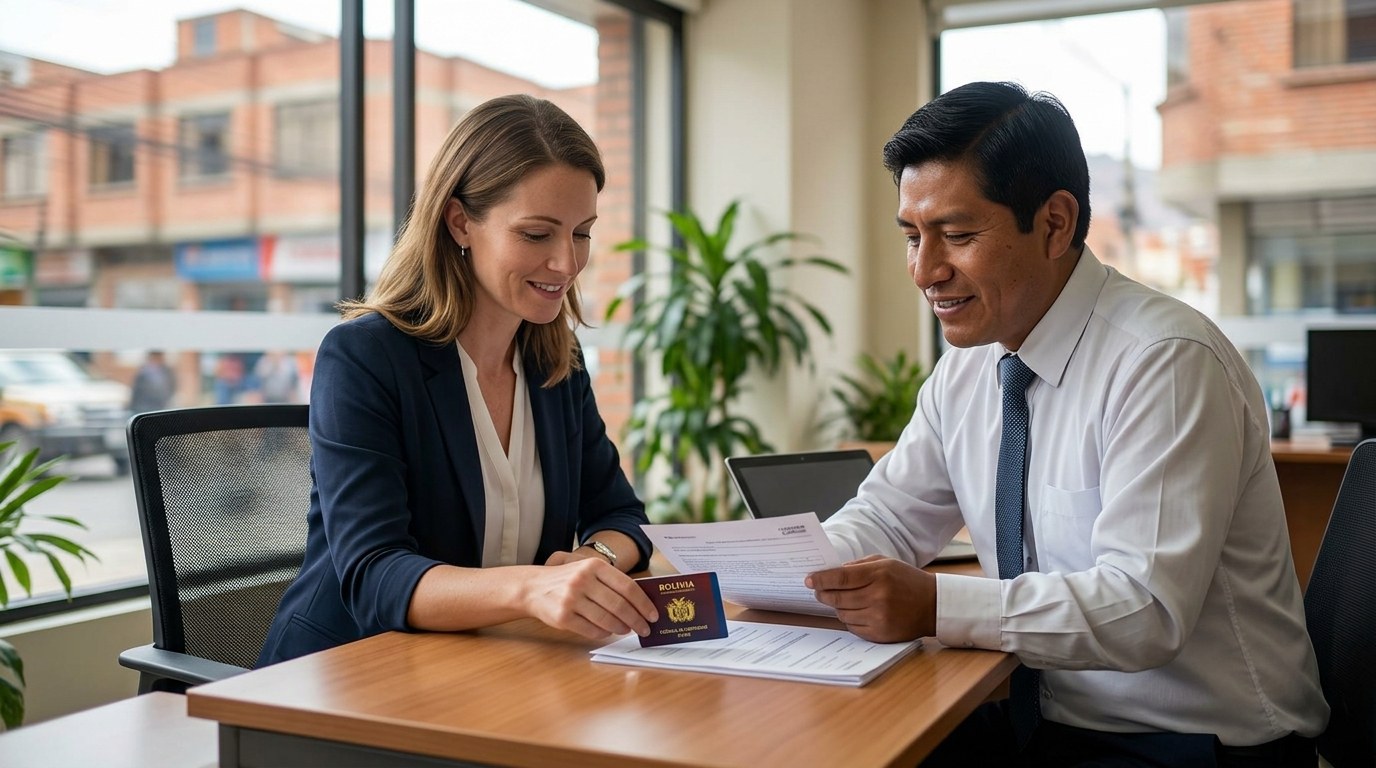
PlanBolivia.com handles the residency process: the lawyer coordination, the documents, the visa filing, the SEGIP appointment, the path from tourist entry to cédula in hand. WanderWallet handles the daily financial life: paying for groceries, rent, dinner, and transport at an exchange rate that does not penalize you for being a foreigner.
Together, you get what no other Latin American relocation service offers: a guided path to residency and a working financial system from the moment your plane lands.
If you are considering a move to Bolivia, get in touch to start planning your residency, and download WanderWallet before you fly. The coffee will taste better when you know you paid the real price.
Want to map your next step? Read Banking in Bolivia: Open Accounts With a CIE or Moving to Bolivia: 9 Pros, Cons & Surprises, then get in touch when you're ready. You can also see pricing and packages.
Frequently Asked Questions
What is WanderWallet and how does it work in Bolivia?
WanderWallet is a mobile wallet built for foreigners in Bolivia. It plugs into the national QR Simple payment network, so you fund the wallet by bank transfer, Revolut, or USDC and then scan QR codes at shops, restaurants, and markets to pay in bolivianos at the parallel exchange rate.
Do I need a Bolivian bank account to use WanderWallet?
No. WanderWallet was designed so foreigners can use Bolivia's QR network without a Bolivian bank account or a residency card. You only need your passport for identity verification when you install the app.
How is WanderWallet different from Wise or Revolut for spending in Bolivia?
Wise and Revolut route card payments through the international card network at Bolivia's official exchange rate of about 6.96 bolivianos per dollar. WanderWallet settles at the parallel rate, around 9.05 bolivianos per dollar, so you keep the roughly 30 percent spread instead of paying it to the card network.
Can I use WanderWallet as a tourist, before I have residency?
Yes. WanderWallet works from the day you land. It does not require a Cédula de Identidad de Extranjero, a Bolivian bank account, or any prior filing with Migración. You can use it as a tourist, throughout your residency application, and as a permanent resident.
How do I fund my WanderWallet?
WanderWallet supports bank transfer, Revolut top-up, and USDC stablecoin deposits. Pick whichever method fits your existing financial setup. Each funding option is converted into bolivianos at the parallel rate inside the wallet.